
Hematology Lab Instruments, Glassware & It’s Caring
🔰 Introduction:
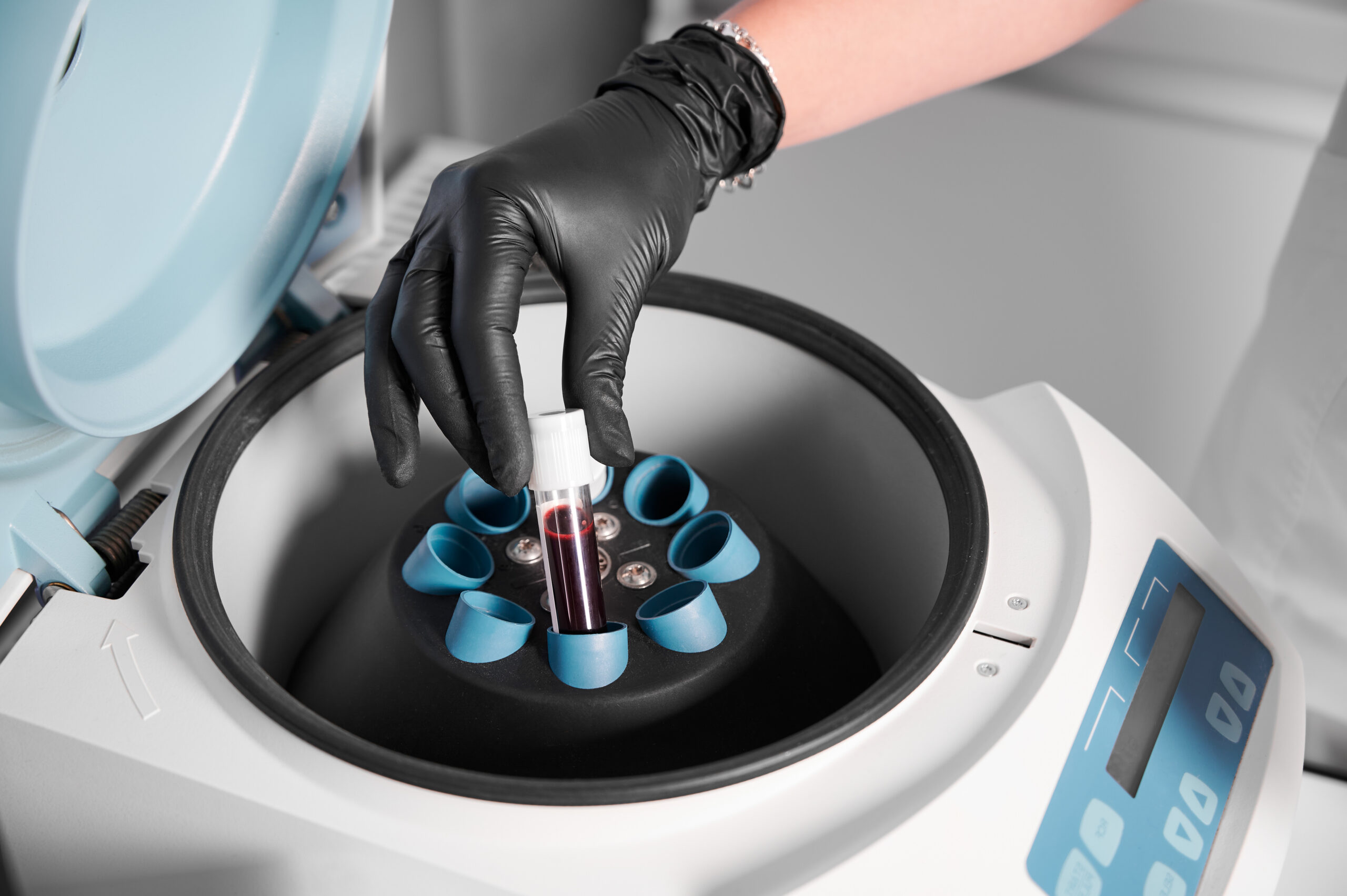
Hematology laboratories are equipped with advanced instruments that help in the diagnosis and monitoring of blood-related diseases. Understanding these instruments and their maintenance is essential for both students and professionals. This post covers two major instruments used in hematology labs: the Hematology Analyzer and the Microscope — their components, uses, and maintenance tips.
1. Hematology Analyzer:
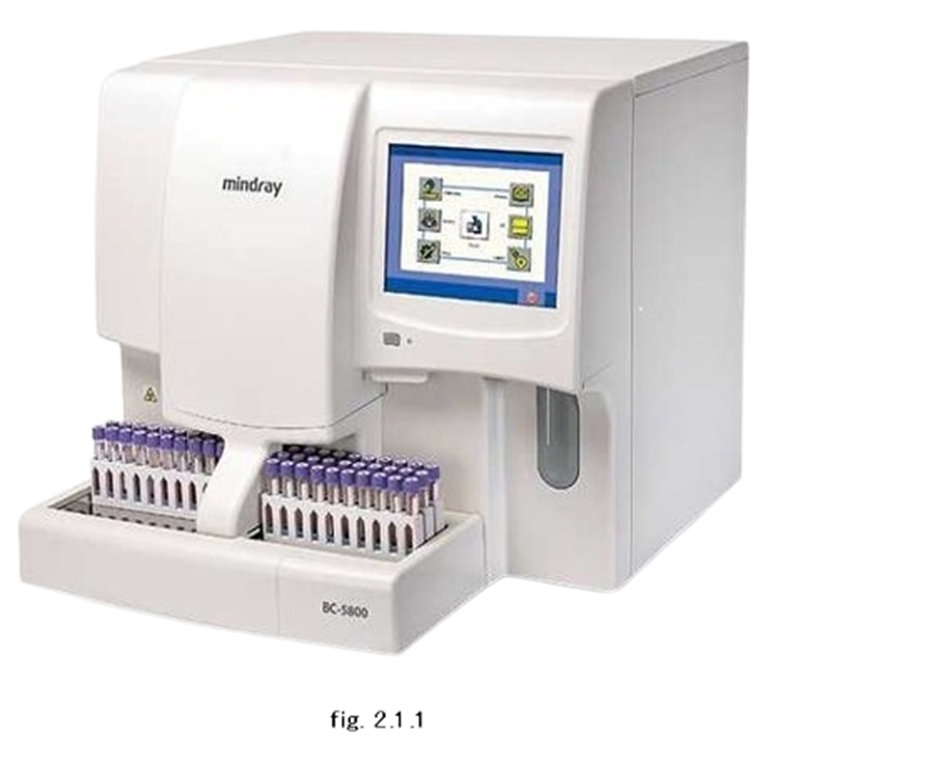
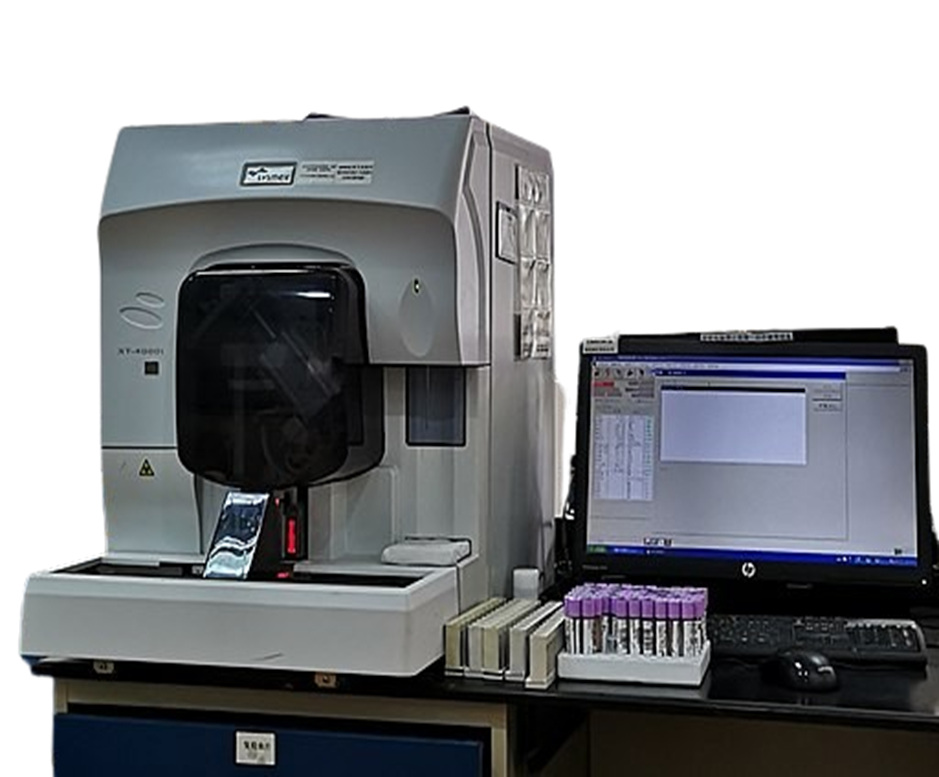
A hematology analyzer is a medical laboratory instrument used to analyze blood components. It plays a crucial role in diagnosing and monitoring various blood-related disorders. Here are some important facts about hematology analyzers, their components, uses, and caring:
- Components of a Hematology Analyzer:
-
Sample Module:
The sample module is where blood samples are introduced to the analyzer. It includes a sample probe, capillary tubes, and sample racks. -
Diluent and Reagent System:
Diluents and reagents are used to dilute blood samples and prepare them for analysis. These may include various reagents for hemoglobin, cell staining, and other specific tests. -
Fluidics System:
The fluidics system ensures proper flow and mixing of samples and reagents. Pumps, valves, and tubing are crucial components of the fluidics system. -
Cell Counting Chambers:
These chambers facilitate the counting and sizing of blood cells. Optical and electronic components for cell counting and sizing. -
Detector System:
The detector system captures signals generated during the analysis. Photodetectors, photomultiplier tubes, or other sensors. -
Software and Display:
The software processes data and presents results on a display. User interface, data processing algorithms, and a display screen.
- Uses of Hematology Analyzers:
-
Complete Blood Count (CBC):
Hematology analyzers are commonly used for CBC, which provides information about red blood cells, white blood cells, and platelets.
- Regular Maintenance:
- Follow the manufacturer's guidelines for routine maintenance to ensure accurate and reliable results.
-
Calibration:
Regular calibration is essential to maintain accuracy. Calibration should be performed according to the recommended schedule. -
Quality Control:
A robust quality control program to monitor the performance of the analyzer over time.
- Cleaning and Decontamination:
- Clean and decontaminate the instrument regularly to prevent cross-contamination between samples.
- Software Updates:
- Keep the software up-to-date with the latest updates provided by the manufacturer.
Recent Study Material
DECALCIFICATION
Introduction:- The presence of calcium salts in tissues makes them hard. This causes damage to
FIXATION OF TISSUES
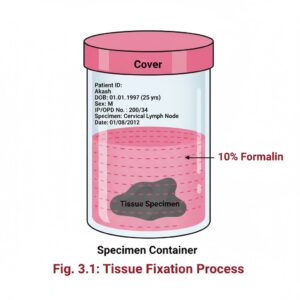
Introduction:- It is a process by which the cells or tissues are fixed in chemical
Quick Revision Notes
- Always wear PPE: Gloves, lab coat, goggles; facemask if splashes possible.
- Hand hygiene: Wash hands before/after work or use sanitizer.
- Treat all samples as infectious: Handle carefully.
- Use sharps safely: Dispose of needles/lancets properly.
- Work in Biological Safety Cabinet (BSC): For hazardous or aerosol-producing tasks.
- Chemical safety: Use fume hood; know your chemicals.
- Emergency awareness: Know eyewash, fire extinguisher, first-aid protocols.
- Dispose waste properly: Separate biohazard and chemical waste.
- Check lab equipment: Maintain and inspect hematology analyzers.
- Communicate hazards: Inform team, report accidents immediately.
- Stay trained: Update safety training and follow SOPs.
- Keep accurate records: Track sample logs and incidents.
- Health monitoring: Participate in immunizations and report symptoms early.