
Blood Analyzer

Hematology

What is a Centrifuge? Functions, Uses, and Maintenance in Medical Labs

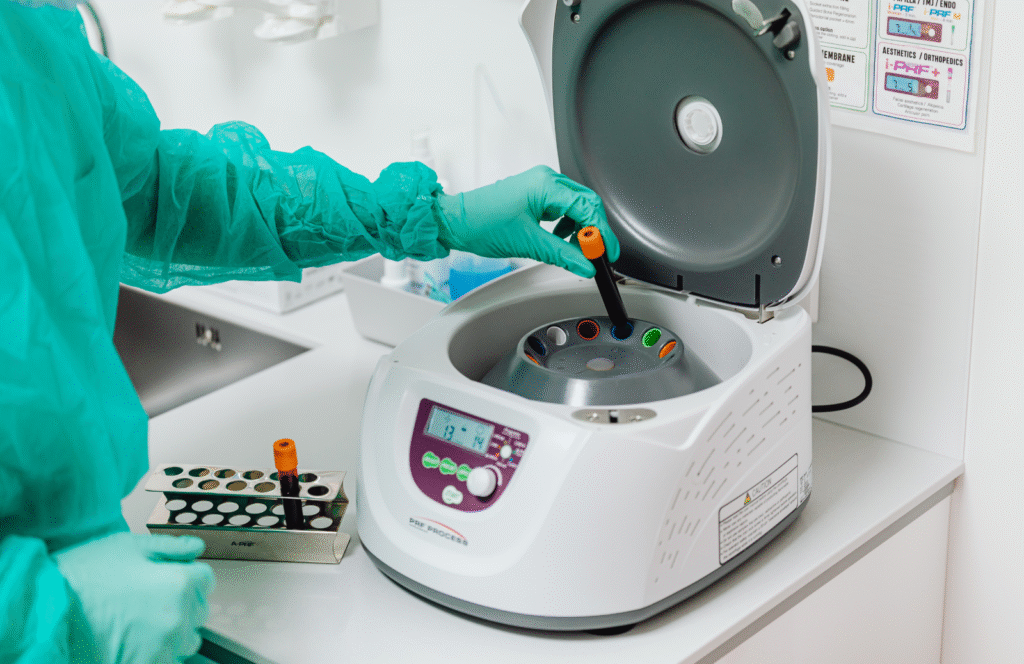
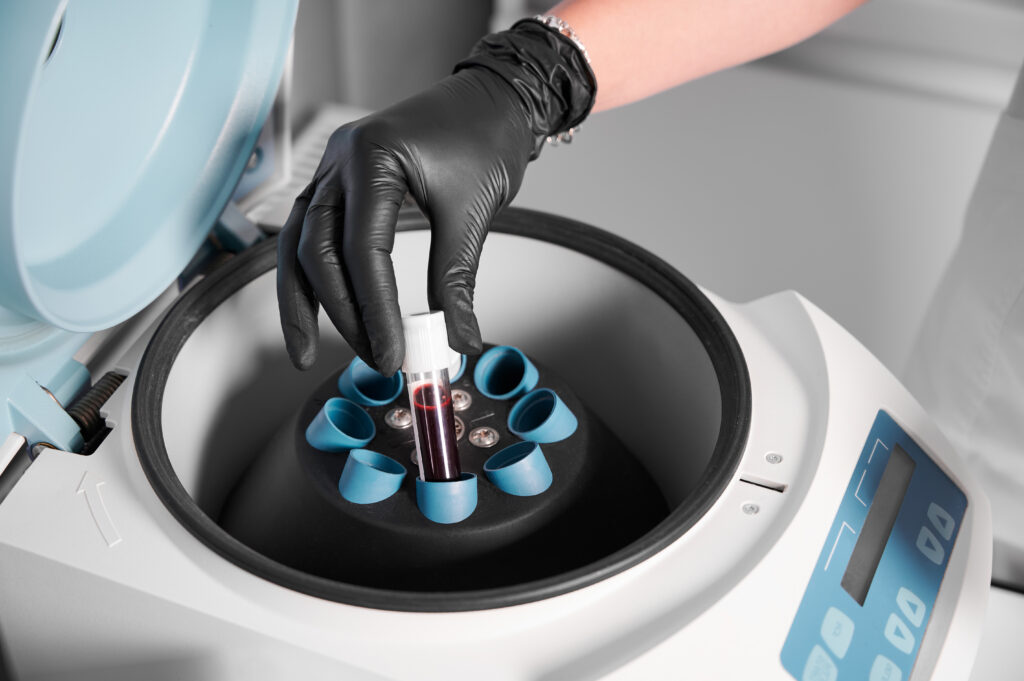
Centrifuge: A centrifuge is a laboratory device that uses centrifugal force to separate components of a liquid mixture. It works by rapidly spinning containers of liquid around a central axis, causing heavier particles to move outward and settle at the bottom, while lighter particles or liquids move towards the center. This process is known as centrifugation. Components of a Centrifuge: Rotor: The rotor is the spinning component of the centrifuge where samples are placed. It rotates at high speeds to generate centrifugal force. Centrifuge Tubes: These are containers that hold the samples. They are placed in the rotor and spin along with it. Motor: The motor powers the rotation of the rotor. Control Panel: This allows the user to set parameters such as speed and time. Safety Features: Centrifuges often have safety features like lid locks to prevent accidents during operation. Speed and Time Settings: Users must adhere to recommended speed and time settings to ensure proper separation without damaging samples. Refrigeration: Some centrifuges have a refrigeration system to maintain a low temperature during operation, crucial for preserving certain samples.  Uses of Centrifuges: Separation of Components: Centrifuges are widely used in laboratories to separate components of a sample, such as blood cells from plasma or particles from a liquid. Biomedical Research: In fields like microbiology and biochemistry, centrifuges are essential for various processes, including DNA extraction and cell culture work. Industrial Applications: Centrifuges are used in industries for processes like oil separation, wastewater treatment, and food and beverage processing.  Caring for a Centrifuge:  Regular Maintenance: Follow the manufacturer’s guidelines for regular maintenance, including cleaning and lubrication. Balancing Loads: Always load the centrifuge evenly to avoid imbalance issues that can lead to damage or failure. Inspect Rotor: Regularly inspect the rotor for signs of wear and ensure it is properly seated. Lid Safety: Ensure that the lid is securely locked during operation to prevent accidents. Emergency Stop: Know the location of the emergency stop button in case immediate cessation of operation is necessary.
Hematology

Hematology Lab Instruments, Glassware & It’s Caring

🔰 Introduction: Hematology laboratories are equipped with advanced instruments that help in the diagnosis and monitoring of blood-related diseases. Understanding these instruments and their maintenance is essential for both students and professionals. This post covers two major instruments used in hematology labs: the Hematology Analyzer and the Microscope — their components, uses, and maintenance tips. 1. Hematology Analyzer: A hematology analyzer is a medical laboratory instrument used to analyze blood components. It plays a crucial role in diagnosing and monitoring various blood-related disorders. Here are some important facts about hematology analyzers, their components, uses, and caring: Components of a Hematology Analyzer: Sample Module: The sample module is where blood samples are introduced to the analyzer. It includes a sample probe, capillary tubes, and sample racks. Diluent and Reagent System: Diluents and reagents are used to dilute blood samples and prepare them for analysis. These may include various reagents for hemoglobin, cell staining, and other specific tests. Fluidics System: The fluidics system ensures proper flow and mixing of samples and reagents. Pumps, valves, and tubing are crucial components of the fluidics system. Cell Counting Chambers: These chambers facilitate the counting and sizing of blood cells. Optical and electronic components for cell counting and sizing. Detector System: The detector system captures signals generated during the analysis. Photodetectors, photomultiplier tubes, or other sensors. Software and Display: The software processes data and presents results on a display. User interface, data processing algorithms, and a display screen. Uses of Hematology Analyzers: Complete Blood Count (CBC): Hematology analyzers are commonly used for CBC, which provides information about red blood cells, white blood cells, and platelets. Regular Maintenance: Follow the manufacturer’s guidelines for routine maintenance to ensure accurate and reliable results. Calibration: Regular calibration is essential to maintain accuracy. Calibration should be performed according to the recommended schedule. Quality Control: A robust quality control program to monitor the performance of the analyzer over time. Cleaning and Decontamination: Clean and decontaminate the instrument regularly to prevent cross-contamination between samples. Software Updates: Keep the software up-to-date with the latest updates provided by the manufacturer. Previous PostNext Post Recent Study Material Quick Revision Notes Always wear PPE: Gloves, lab coat, goggles; facemask if splashes possible. Hand hygiene: Wash hands before/after work or use sanitizer. Treat all samples as infectious: Handle carefully. Use sharps safely: Dispose of needles/lancets properly. Work in Biological Safety Cabinet (BSC): For hazardous or aerosol-producing tasks. Chemical safety: Use fume hood; know your chemicals. Emergency awareness: Know eyewash, fire extinguisher, first-aid protocols. Dispose waste properly: Separate biohazard and chemical waste. Check lab equipment: Maintain and inspect hematology analyzers. Communicate hazards: Inform team, report accidents immediately. Stay trained: Update safety training and follow SOPs. Keep accurate records: Track sample logs and incidents. Health monitoring: Participate in immunizations and report symptoms early. Download pdf Hematology Lab Instruments, Glassware & It’s Caring Popular Tags: <lidata-term-id=”22″> Blood Analyzer (1) <lidata-term-id=”19″> Blood Sample Handling (1) <lidata-term-id=”20″> Health Monitoring (1) <lidata-term-id=”25″> Hematology Equipment (1) <lidata-term-id=”21″> Hematology Lab (1) <lidata-term-id=”18″> Hematology Lab Rules (1) <lidata-term-id=”23″> Lab Glassware (1) <lidata-term-id=”16″> Lab Safety (1) <lidata-term-id=”24″> Microscope Care (1) <lidata-term-id=”17″> PPE (1)

Scroll to Top