Personal care & Safety rules

🔰 Introduction:
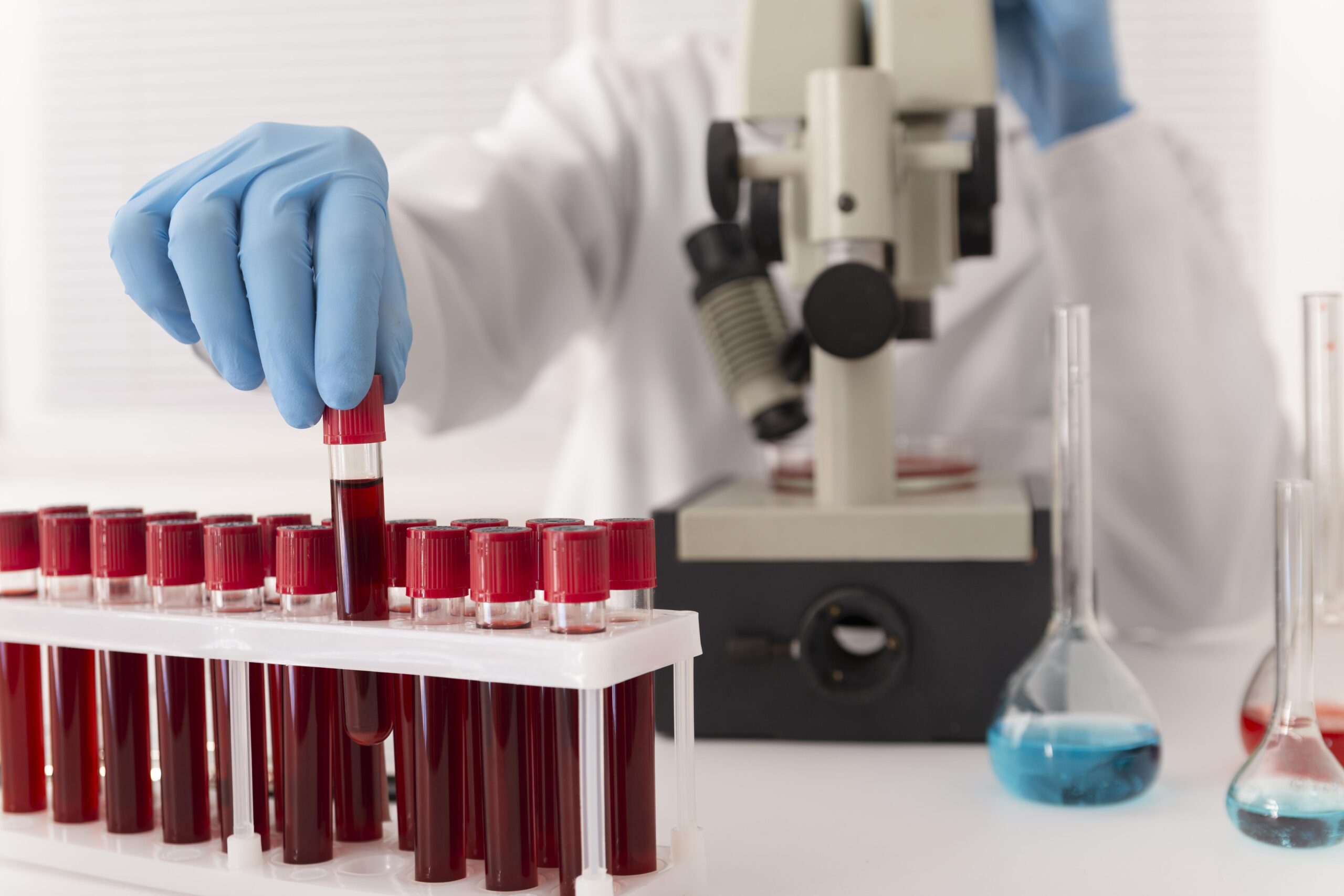
Working in a hematology lab involves dealing with blood samples and potentially hazardous materials. Personal care and safety rules are crucial to ensure the well-being of laboratory personnel and the accuracy of test results. Here are some general guidelines:
1. Personal Protective Equipment (PPE):
- Always wear appropriate PPE, including gloves, lab coat, and safety glasses or goggles.
- Consider wearing a facemask if there is a risk of splashes or aerosol generation.
2. Hand Hygiene:
- Wash hands thoroughly before and after handling samples or equipment.
- Use hand sanitizer if soap and water are not readily available.
3. Safe Handling of Samples:
- Treat all blood samples as potentially infectious.
- Use caution when handling sharp objects such as needles or lancets.
- Label and handle specimens carefully to prevent contamination.
4. Biological Safety Cabinet (BSC):
- Work with samples inside a certified biological safety cabinet when appropriate.
- Follow proper procedures for decontaminating the BSC and work surfaces.
5. Chemical Safety:
- Be aware of the chemicals used in hematology tests and follow proper handling procedures.
- use fume hoods when working with volatile or hazardous chemicals.
6. Emergency Procedures:
- Know the location and proper use of emergency equipment, such as eyewash stations and fire extinguishers.
- Understand and follow the lab's emergency response protocols.
7. Waste Disposal:
- Dispose of biological and chemical waste in designated containers.
- Follow the lab's waste disposal procedures to minimize environmental impact.
8. Equipment Safety:
- Regularly inspect and maintain laboratory equipment.
- Follow proper procedures for the use and maintenance of hematology analyzers.
9. Training and Education:
- Ensure that all personnel are adequately trained in laboratory safety protocols.
- Stay informed about new safety procedures and updates in hematology practices.
10. Record Keeping:
- Maintain accurate records of laboratory activities, including sample handling, test results, and safety incidents.
- Document any deviations from standard procedures.
11. Communication:
- Communicate effectively with team members about potential hazards and safety concerns.
- Report any accidents, spills, or exposures promptly.
12. Health Monitoring:
- Participate in regular health monitoring and immunization programs as required.
- Report any illnesses or symptoms that may be related to laboratory work.
- Conclusion:
Safety in the hematology lab is not optional — it is essential. By following these rules, students and lab personnel can ensure both personal protection and the reliability of lab results.
Recent Study Material
DECALCIFICATION
January 22, 2026
Introduction:- The presence of calcium salts in tissues makes them hard. This causes damage to

FIXATION OF TISSUES
January 16, 2026
Introduction:- It is a process by which the cells or tissues are fixed in chemical
Quick Revision Notes
- Always wear PPE: Gloves, lab coat, goggles; facemask if splashes possible.
- Hand hygiene: Wash hands before/after work or use sanitizer.
- Treat all samples as infectious: Handle carefully.
- Use sharps safely: Dispose of needles/lancets properly.
- Work in Biological Safety Cabinet (BSC): For hazardous or aerosol-producing tasks.
- Chemical safety: Use fume hood; know your chemicals.
- Emergency awareness: Know eyewash, fire extinguisher, first-aid protocols.
- Dispose waste properly: Separate biohazard and chemical waste.
- Check lab equipment: Maintain and inspect hematology analyzers.
- Communicate hazards: Inform team, report accidents immediately.
- Stay trained: Update safety training and follow SOPs.
- Keep accurate records: Track sample logs and incidents.
- Health monitoring: Participate in immunizations and report symptoms early.