
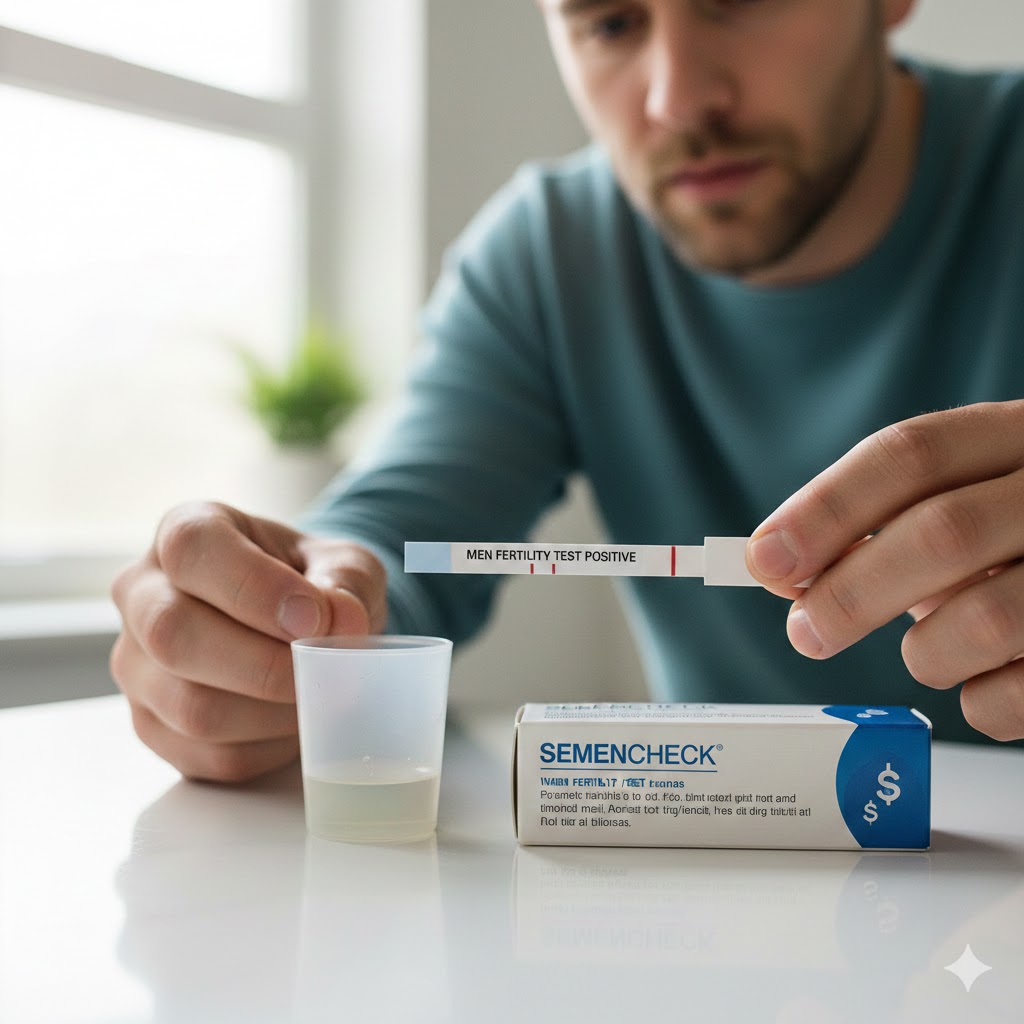
MEN INFERTILITY
MEN INFERTILITY:- Male infertility is any health issue in a man that lowers the chances of his female partner getting pregnant. About 13 out of 100 couples can’t get pregnant with unprotected sex. There are many causes for infertility in men and women. In over a third of infertility cases, the problem is with the man. This is most often due to problems with his sperm production or with sperm delivery. What Happens Under Normal Conditions? The man’s body makes tiny cells called sperm. During sex,ejaculation normally delivers the sperm into the woman’s body. The male reproductive system makes, stores, and transports sperm. Chemicals in your body called hormones control this. Sperm and male sex hormone (testosterone) are made in the 2 testicles. The testicles are in the scrotum, a sac of skin below the penis. When the sperm leave the testicles, they go into a tube behind each testicle. This tube is called the epididymis. Just before ejaculation, the sperm go from the epididymis into another set of tubes. These tubes are called the vas deferens. Each vasdeferens leads from the epididymis to behind your bladder in the pelvis. There each vas deferens joins the ejaculatory duct from the seminal vesicle. When you ejaculate, the sperm mix with fluid from the prostate and seminal vesicles.This forms semen. Semen then travels through the urethra and out of the penis. Male fertility depends on your body making normal sperm and delivering them. The sperm go into the female partner’s vagina. The sperm travel through her cervix into her uterus to her fallopian tubes. There, if sperm and egg meet, fertilization happens. Causes:– Making mature, healthy sperm that can travel depends on many things. Problems can stop cells from growing into sperm. Problems can keep the sperm from reaching the egg. Even the temperature of the scrotum may affect fertility. These are the main causes of male infertility: Sperm Disorders Varicoceles Retrograde Ejaculation Immunonologic Infertility Obstruction Hormones Medication Sperm Disorders:- The most common problems are with making and growing sperm. Sperm may: not grow fully be oddly shaped not move the right way be made in very low numbers (oligospermia) not be made at all (azoospermia) Sperm problems can be from traits you’re born with. Lifestyle choices can lower sperm numbers. Smoking, drinking alcohol, and taking certain medications can lower sperm numbers. Other causes of low sperm numbers include long-term sickness (such as kidney failure), childhood infections (such as mumps), and chromosome or hormone problems (such as low testosterone). Damage to the reproductive system can cause low or no sperm. About 4 out of every 10 men with total lack of sperm (azoospermia) have an obstruction (blockage) within the tubes the sperm travel through. A birth defect or a problem such as an infection can cause a blockage. Varicoceles:- Varicoceles are swollen veins in the scrotum. They’re found in 16 out of 100 of all men. They are more common in infertile men (40 out of 100). They harm sperm growth by blocking proper blood drainage. It may be that varicoceles cause blood to flow back into your scrotum from your belly. The testicles are then too warm for making sperm. This can cause low sperm numbers. For more information please refer to the Varicoceles information page. Retrograde Ejaculation:- Retrograde ejaculation is when semen goes backwards in the body. They go into your bladder instead of out the penis. This happens when nerves and muscles in your bladder don’t close during orgasm (climax). Semen may have normal sperm, but the semen is not released from the penis, so it cannot reach the vagina. Retrograde ejaculation can be caused by surgery, medications or health problems of the nervous system. Signs are cloudy urine after ejaculation and less fluid or “dry” ejaculation. Immunologic Infertility:– Sometimes a man’s body makes antibodies that attack his own sperm. Antibodies are most often made because of injury, surgery or infection. They keep sperm from moving and working normally. We don’t know yet exactly how antibodies lower fertility. We do know they can make it hard for sperm to swim to the fallopian tube and enter an egg. This is not a common cause of male infertility. Obstruction:- Sometimes the tubes through which sperm travel can be blocked. Repeated infections, surgery (such as vasectomy), swelling or developmental defects can cause blockage. Any part of the male reproductive tract can be blocked. With a blockage, sperm from the testicles can’t leave the body during ejaculation. Hormones:- Hormones made by the pituitary gland tell the testicles to make sperm. Very low hormone levels cause poor sperm growth. Chromosomes:- Sperm carry half of the DNA to the egg. Changes in the number and structure of chromosomes can affect fertility. For example, the male Y chromosome may be missing parts. Medication:- Certain medications can change sperm production, function and delivery. These medications are most often given to treat health problems like: arthritis depression digestive problems anxiety or depression infections high blood pressure cancer Diagnosis:- Causes of male fertility can be hard to diagnose. The problems are most often with sperm production or delivery. Diagnosis starts with a full history and physical exam. Your health care provider may also want to do blood work and semen tests. History and Physical Exam:- Your health care provider will take your health and surgical histories. Your provider will want to know about anything that might lower your fertility. These might include defects in your reproductive system, low hormone levels, sickness or accidents. Your provider will ask about childhood illnesses, current health problems, or medications that might harm sperm production. Such things as mumps, diabetes and steroids may affect fertility. Your provider will also ask about your use of alcohol, tobacco, marijuana and other recreational drugs. He or she will ask if you’ve been exposed to radiation, heavy metals or pesticides. Heavy metals are an exposure issue (e.g. mercury, lead arsenic). All of these can affect fertility. Your health care provider will learn how your body works during sex. He or she will want to