Biochemistry

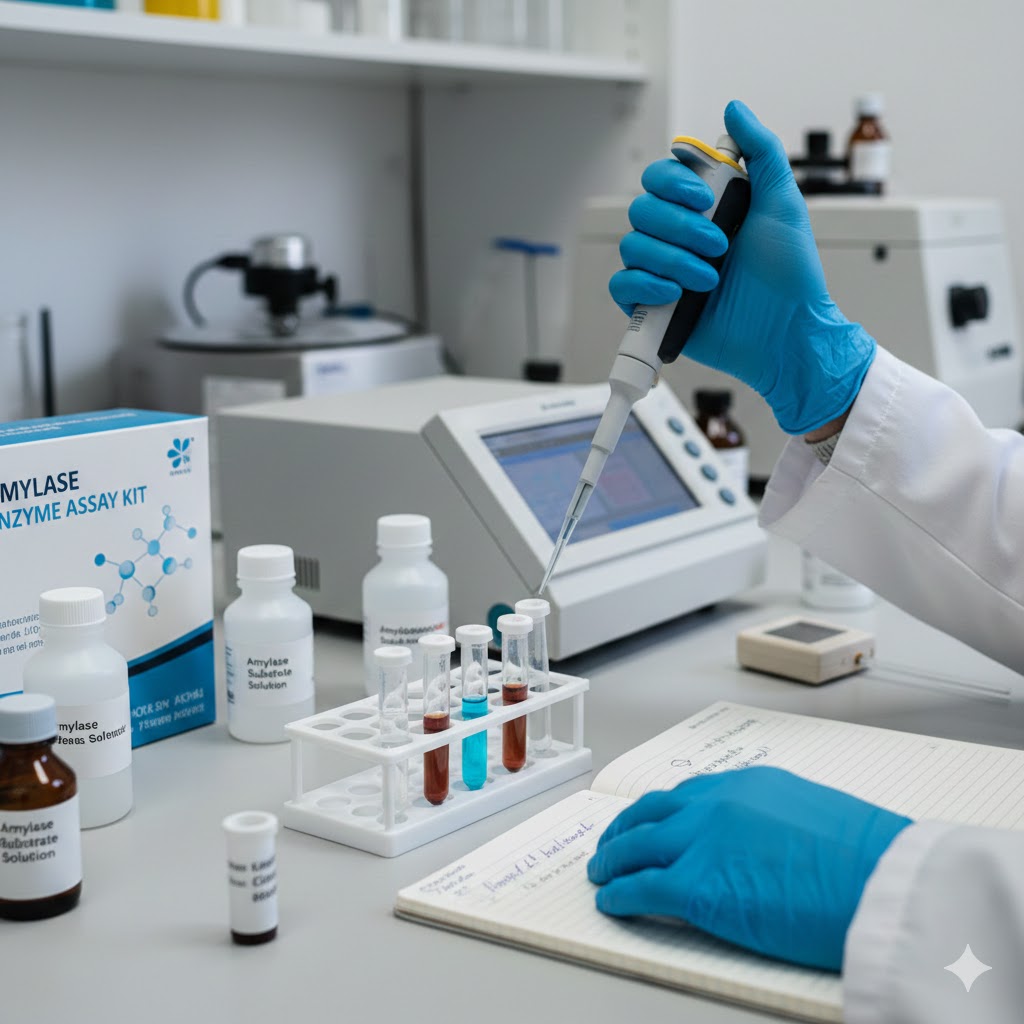
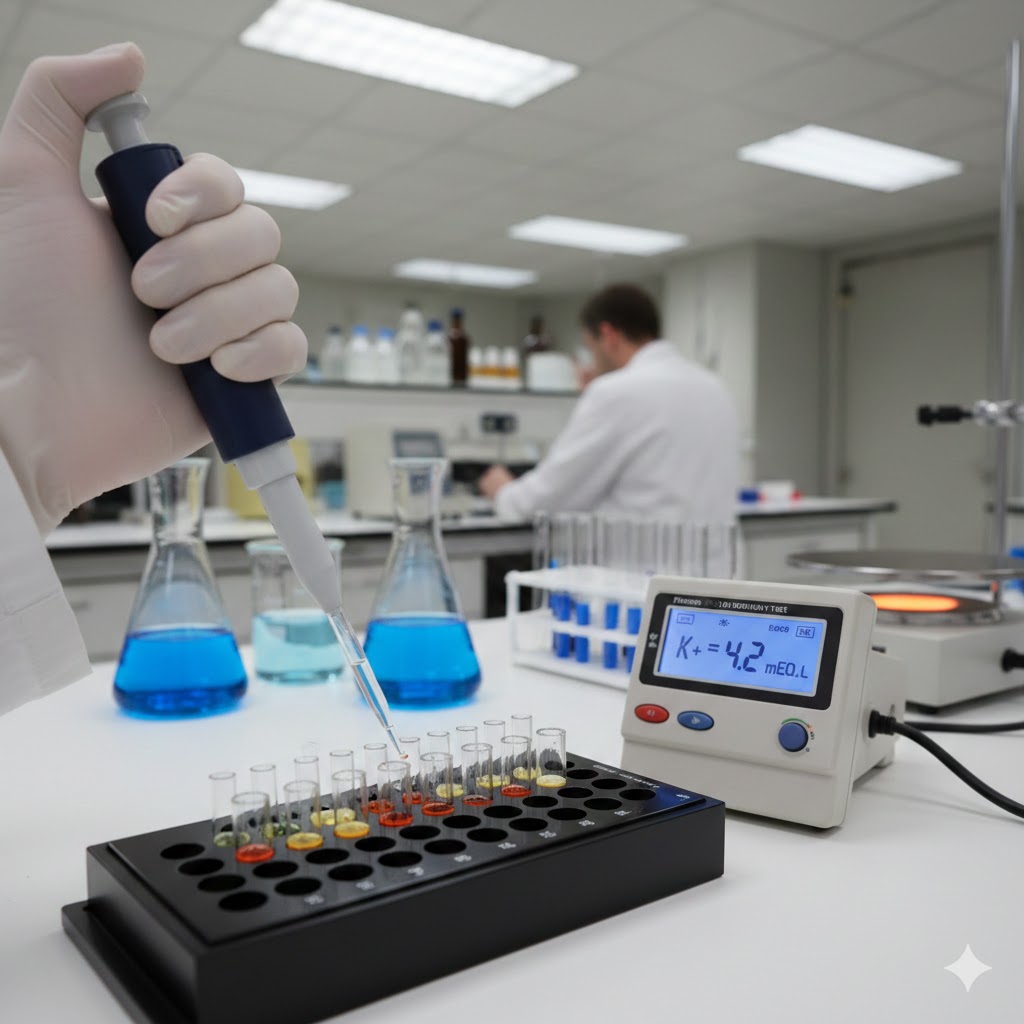
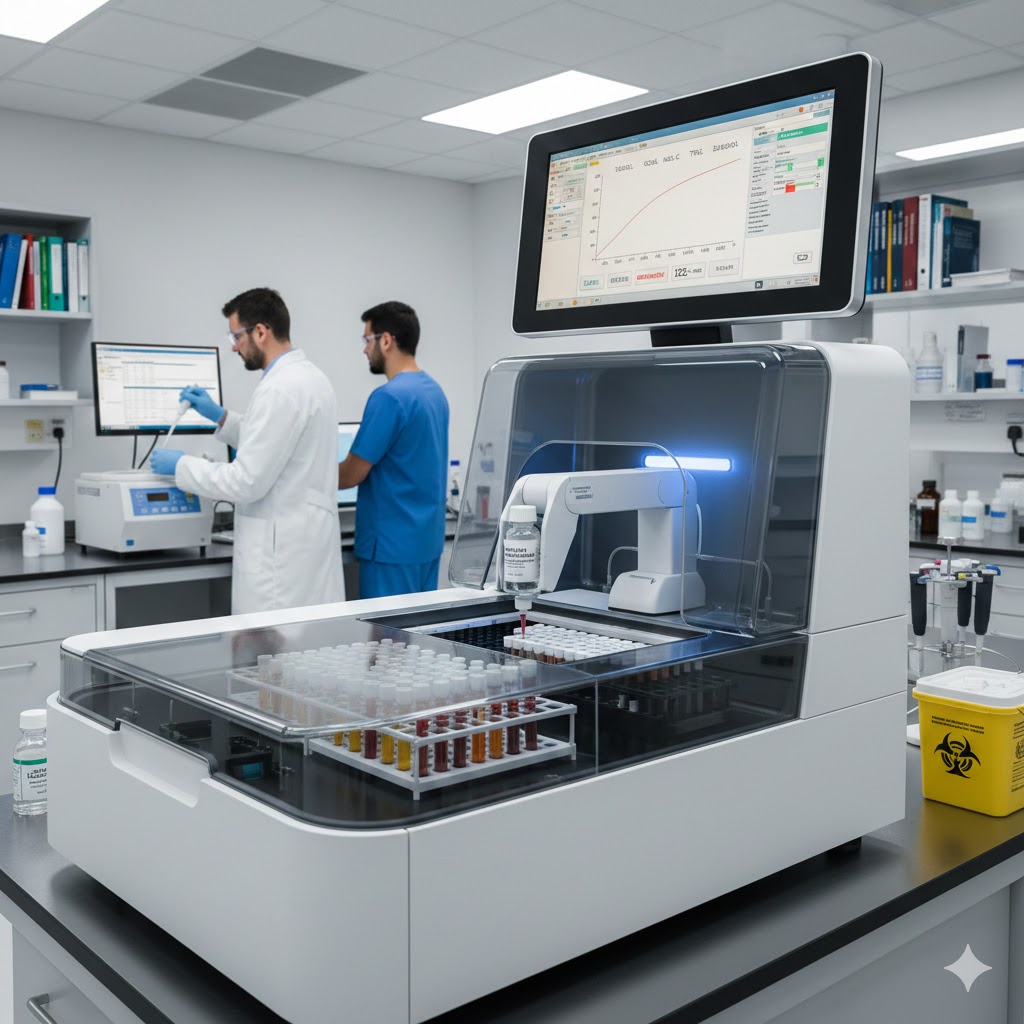
Biochemistry explores the chemical and molecular basis of life. It includes topics like metabolism, enzymes, proteins, carbohydrates, lipids, and nucleic acids. This subject forms the core of understanding disease mechanisms and drug actions in healthcare.

Biochemistry

CALCIUM

CALCIUM (Arsenazo III) TEST KIT (MONOTEST)*BEACON INTENDED USE : This reagent is intended for the in vitro quantitative determination of Calcium in Serum. CLINICAL SIGNIFICANCE : Calcium, in the skeleton, is found mainly in the bones (approximately 99%). In the adult, calcium is found in the bones and serum and is bound to serum albumin. Therefore, decreased Albumin causes lower serum calcium levels. Hence, low levels of Calcium in serum are observed in hypoalbuminemia. Increased Calcium levels cause cardiac arrhythmias, renal and biliary calculi and may also be found in bone demineralization, hyperparathyroidism, Vitamin D intoxication, Multiple myeloma, sarcoidosis.In deficiency, Rickets, Vitamins D deficiency and pancreatitis. PRINCIPLE : Calcium ions specifically react with Arsenazo III at a neutral pH to form a blue purple complex. The intensity of the colour is directly proportional to the amount of calcium present in the sample. Abs. ↑ ∝ Calcium ConcentrationCalcium + Arsenazo III → Blue Purple Coloured Complex CONTENTS : Reagent 1: Calcium (Stabil) ReagentReagent 2: Calcium Standard 10 mg/dL SAMPLE COLLECTION AND PRESERVATION : Serum / Heparinized plasmaStable for 7 days when stored at 2–8°C. REAGENT PREPARATION AND STORAGE : The reagents are ready to use.Once opened, the reagents are stable for 7 days when stored at 2–8°C.Do not freeze. Protect from direct light. PROCEDURE : Label tubes as Blank (B), Standard (S), Test (T). Pipette into Blank (µL) Standard (µL) Test (µL) Reagent 1 1000 1000 1000 Standard – 10 – Sample – – 10 Mix and read absorbance at 650 nm (Abs.S, Abs.T). CALCULATION : Calcium in mg/dL = Abs.TAbs.S×10frac{text{Abs.T}}{text{Abs.S}} times 10   NORMAL VALUES : It is recommended that each laboratory establish its own reference ranges. Serum (Adult): 8.7–10.4 mg/dL Serum (Children): 8.8–10.8 mg/dL LINEARITY :   This method is linear up to 15 mg/dL.If values exceed this limit, dilute sample 1:1 with saline and repeat the assay. GENERAL SYSTEM PARAMETERS Wavelength : 650 nm (620–660 nm) Cuvette path length : 1 cm Temperature : 37°C Sample – 10 µL Reagent 1 – 1000 µL Reagent 2 – 100 µL Mix & read after 1 minute NOTICE : This product is a very widely distributed IVD, even outside restricted areas. It does not contain any hazardous substances above 0.1% w/w.Packaging waste is recyclable and can be disposed of according to local regulations. ORDERING INFORMATION : Test Pack Size Reagent 1 Reagent 2 522A 25 Tests 3 × 10 mL 1 × 3 mL 522A 100 Tests 3 × 17 mL 1 × 10 mL REAGENT PREPARATION AND STORAGE : The reagents are ready to use.Once opened, the reagents are stable for 7 days when stored at 2–8°C.Do not freeze. Protect from direct light.

Biochemistry

Ammonia

AMMONIA KIT (Kinetic Method) INTENDED USE The reagent kit is intended for the in vitro quantitative determination of Ammonia. SUMMARY Ammonia (NH₃) is a reagent used for the quantitative determination of ammonium ions in plasma/serum using the enzymatic method of using Glutamate Dehydrogenase (GLDH) and NADPH. PRINCIPLE Ammonia combines with α-ketoglutarate to form glutamate in presence of GLDH. This results in a decrease in absorbance at 340 nm, which is directly proportional to the concentration of ammonia. Reaction:NH₃ + α-ketoglutarate + NADH → Glutamate + NAD⁺ MATERIALS REQUIRED  Clean & Dry Glassware Laboratory Glass Pipettes or Micropipettes & Tips Photometer Stopwatch STORAGE & STABILITY Store the unopened kit at 2–8°C and use until expiry date. PREPARATION OF REAGENT & STABILITY Reagent R1 and R2 to be mixed at 4:1 ratio. The final reagent is stable at 2–8°C till expiry date mentioned on kit. Once mixed, stable for 8 hours at 2–8°C. Unmixed standard reagent should be stored at 2–8°C. PROCEDURE Pipette into a clean dry test tube labelled as Standard (S) and Test (T): Additions Standard Test Working Reagent 1.0 ml 1.0 ml Standard 10 µl – Sample – 10 µl Incubate at 37°C for 5 minutes. Add 10 µL of Standard to Standard tube and 10 µL of sample to Test tube. Mix well and read absorbance at 340 nm. After 30 seconds, take first absorbance A₁. Take second absorbance A₂ after 60 seconds. Calculate ΔA/min. CALCULATION Ammonia (µg/dL) =Δ ATΔAS×500 µg/dLfrac{Delta A_T}{Delta A_S} times 500 text{µg/dL}   NORMAL VALUE Plasma: 17–80 µg/dL Expected range varies by population and age. NOTES EDTA plasma or Heparinized plasma Blood sample should be taken in sterile vials and stored on ice. Separate plasma from cells within 20 minutes after collection. Avoid contamination with ammonia from detergents or glassware. Avoid rubber stoppers. Ammonia in plasma samples may be frozen for 2 hours at −20°C. GENERAL SYSTEM PARAMETERS Type of Reaction: Kinetic (Decreasing) Wavelength: 340 nm Temperature: 37°C Cuvette Path length: 1 cm Zero setting: Distilled Water Read Time: 30 seconds Sample Volume: 10 µL Reagent Volume: 1000 µL Total Volume: 1010 µL Light path: 1 cm LINEARITY The assay is linear up to 1500 µg/dL.If values exceed, dilute sample with distilled water. LIMITATIONS / PRECAUTIONS Ammonia is highly volatile; avoid contamination. Do not use glassware washed with ammonia-containing detergents. Avoid hemolysis. QUALITY CONTROL Use known normal and abnormal QC serum.

Biochemistry

Alkeline phosphates

Alkaline Phosphatase (Mono) Reagent Kit INTENDED USE:-         This reagent kit is intended for in vitro quantitative determination of Alkaline Phosphatase activity in serum/plasma. PRINCIPLE Alkaline Phosphatase in serum catalyzes the hydrolysis of p-nitrophenyl phosphate to p-nitrophenol and phosphate. The rate of formation of p-Nitrophenol is measured as an increase in absorbance, which is proportional to ALP activity in the sample. REACTION P-Nitrophenylphosphate —(ALP)—→ p-Nitrophenol + Phosphate PROCEDURE Pipette into a clean dry test tube labeled as Test (T): Addition Test (T) Reagent 1.0 mL Sample 0.02 mL Mix well and read the initial absorbance A1 after 1 minute and record the absorbance after every 1, 2, 3 minutes. Calculate the mean absorbance change per minute (ΔA/min). CALCULATION ALP Activity in U/L = ΔA/min × 2764 NORMAL VALUE Children (0–15 yrs): 104–390 IU/L Adults (>15 yrs): 25–140 IU/L Note: Each laboratory should establish its own normal range. CLINICAL SIGNIFICANCE Alkaline Phosphatase (ALP) is an enzyme of the Hydrolase class of enzymes and acts in an alkaline medium. It is found in high concentrations in the liver, biliary tract epithelium and bones.Normal levels are age-dependent and increase during bone development. Increased levels are associated mainly with liver and bone disease. Moderate increases are seen in Hodgkin’s disease and congestive heart failure. LIMITATIONS & PRECAUTIONS Storage conditions as mentioned on the kit to be adhered. Do not freeze or expose the reagents to higher temperature as it may affect kit performance. Before the assay, bring the reagent to room temperature. Avoid contamination of the reagent during assay process. Use clean glassware free from dust or debris. Reagent/sample ratio as mentioned must be strictly observed as any change will affect the result. Do not use the reagent if found hazy or cloudy. GENERAL SYSTEM PARAMETERS Reaction type: Kinetic reaction (Increasing) Wave length: 405 nm Temperature: 37 °C Delay: 60 sec Interval: 30 sec No. of readings: 5 Sample volume: 20 µL Reagent volume: 1000 µL Factor: 2764 Zero setting: Deionized water

Biochemistry

TRIGLYCERIDES TEST

Triglycerides Test SUMMARY Early methods used for determining triglycerides involved chemical hydrolysis of a solvent extract of the serum lipid. These methods required preliminary removal of interfering substances like phospholipids, carbohydrates and other difficulties, and produced unknown co-products so the tests were not readily available. The enzymatic methods are based on the following advantages: Two-step GPO-PAP method Rapid colorimetric reaction within 10–15 minutes Color reaction stable Less susceptible to turbidity and pigments Linearity up to 1000 mg/dL with hydrolytic concentration Aim – Estimation of serum triglycerides by enzymatic method PRINCIPLE Glycerol dehydrogenase (GPO) catalyzes the specific oxidation of β-glycerol to glyceric acid and hydrogen peroxide (H₂O₂).In peroxidase (POD) enzyme acts on hydrogen peroxide to liberate nascent oxygen (Nascent O₂).Nascent oxygen couples with 4-aminoantipyrine and p-chlorophenol to form a red-colored quinoneimine dye. Reaction:-   Triglyceride + H2O  Lipoprotein + Lipase Glycerol + fatty acids   Glycerol + ATP     Glycerol kinase      Glycerol-3-phosphate + ADP Glycerol-3-phosphate + 02 Glycerol phosphate oxidase   Dihydroxy acetone phosphate + H2O2 H2O2 + 4-amino-phenazone + p-chlorophenol  Peroxidase Colored complex REQUIREMENTS Reagents: Buffer/glycerol kinase/glycerol-3-phosphate oxidase/peroxidase – Enzyme reagent Glycerol standard: 100 mg/dL Precipitating solution: 5% Reagents contain 4-amino antipyrine in Tris buffer (pH 7.2 ± 0.02) Preparation of Working Reagent It is prepared fresh by mixing two parts of reagent 1 & one part of reagent 2. PROCEDURE Pipette in the tubes labeled as below: Contents Blank Standard Test Working reagent 1000 µL 1000 µL 1000 µL Distilled water 10 µL — — Glycerol standard — 10 µL — Sample — — 10 µL Mix well. Keep at 37°C for 10 minutes. Read absorbance of Test & Standard against Blank. Calculations Triglycerides (mg/dL)= Optical density of Test                                        Optical density of Standard ×Concentration of Standard (100 mg/dL) OD of Test = 0.23 OD of Standard = 0.22 Triglycerides=   0.22/0.23×100=104.54 mg/dl Normal Values: 30 – 150 mg/dL Clinical Significance Triglycerides are esters of glycerol with three fatty acids and are the major naturally occurring lipids.They are transported in plasma bound to lipoproteins.Increased triglycerides may be observed in: Liver disease Nephrotic syndrome Diabetes mellitus Endocrine disorders Alcoholism Acute pancreatitis Atherosclerosis & ischemic heart disease Low triglycerides may be present in conditions like malabsorption.

Biochemistry

TOTAL CHOLESTROL

Serum Total Cholesterol SUMMERY:  Elevated level of serum cholesterol are associated with atherosclerosis, nephrosis, diabetes mellitus, obstructive jaundice & myxedema. Decreased levels are observed in hyperthyroidism, malabsorption & anemia.  Aim: –                                                                Estimations of Serum Total Cholesterol by Colorimetric (Watson) Method.   PRINCIPLE: Cholesterol reacts with acetic anhydride in the presence of glacial acetic acid and conc. sulfuric acid to form green colored complex. Intensity of the color is proportional to the cholesterol concentration and can be measured at 575 nm (Green-Yellow filter: 520-580 nm). REQUIREMENTS: Three test-tube, Colorimeter Cholesterol Reagents, Distilled water,  Incubator,  Cuvette,       Pipette etc.  Serum (Fasting) PROCEDURE: Dispense in the tubes labeled as follows: Contents Blank Standard Test Cholesterol reagent 1 2.5 ml 2.5 ml 2.5 ml Serum 100 µl – – Cholesterol standard – 100 µl – Distilled water – – 100 µl Mix well and cool to room temperature by placing in a water bath (at room temperature). Add the following reagent: Reagent Blank Standard Test Cholesterol reagent 2 500 µl 500 µl 500 µl Mix thoroughly, keep in the water-bath at room temperature (25°C +5°C) for 10 min. Read the absorbance of test and standard against blank at 575 nm (green-yellow filter).   Calculation:- Serum Cholesterol (mg/dl)                 =          Optical Density of Test X Concentration of Standard                                                                         Optical Density of Standard                                        Concentration of Glucose Standard =200 mg/dl                                                                             After Testing,                                                                 Optical Density of Test            =       0.25               Optical Density of Standard    =      0.26              Then,                                                                                            0.25*200         0.26                                                             Serum Cholesterol (mg/dl)     =      192.3 Result: –     =     192.3 mg/dl Normal Value:-   150 – 250 mg/dl

Biochemistry

GLUCOSE

Blood Sugar/Glucose Test SUMMARY:- Accurate measurement of glucose in body fluids is important in the diagnosis and management of diabetes, hyperglycemia, adrenal dysfunction, and various other conditions. Aim: – Estimations of blood sugar by GOD & POD method. PRINCIPLE:- Glucose oxidase (GOD) oxidizes the specific substrate β-D- glucose to gluconic acid and hydrogenperoxide (H2O2) is liberated. Peroxidase (POD) enzyme acts on hydrogen peroxide to liberate nascent oxygen (O2), then nascent oxygen couples with 4- 4-amino antipyrine and phenol to form red quinoneimine dye.

Biochemistry

CHOLESTROL

TOTAL CHOLESTEROL (CHOD/POD METHOD) INTERPRETATION:Enzymatic method for in-vitro quantitative determination of cholesterol. PRINCIPLE: Cholesterol esters are hydrolyzed by cholesterol esterase to free cholesterol.Cholesterol is then oxidized by cholesterol oxidase to form hydrogen peroxide.Hydrogen peroxide reacts with 4-aminoantipyrine and phenol in presence of peroxidase to form a red quinoneimine dye.The intensity of the color is proportional to cholesterol concentration. REACTION: Cholesterol esters + H₂O → Cholesterol + Fatty acidsCholesterol + O₂ → Cholest-4-en-3-one + H₂O₂H₂O₂ + 4-AAP + Phenol → Quinoneimine dye (red) MATERIAL REQUIRED BUT NOT PROVIDED: Test tubes Pipettes Analyzer Use serum. .Reagent:- R1 Buffer / Enzymes / Phenol R2 Cholesterol Standard 200 mg/dL PROCEDURE: Test Blank Standard Sample Working Reagent 1.0 ml 1.0 ml 1.0 ml Distilled Water 0.01 ml – – Standard – 0.01 ml – Sample – – 0.01 ml Mix and incubate for 5 minutes at 37°C.Read absorbance of Standard (S) and Sample (T) against Blank (B) at 505 nm. CALCULATION: Cholesterol (mg/dL)=TS×200text{Cholesterol (mg/dL)} = frac{T}{S} times 200 Cholesterol (mg/dL)=ST×200 NORMAL VALUES: 140–250 mg/dL(Values may vary by age, sex, population.) PRESERVATION / STABILITY:   • Do not use hemolyzed samples.• 7 days at 2–8°C. GENERAL SYSTEM PARAMETERS: (Values approx. may vary depending on instrumentation) Method: End Point Wavelength: 505 nm Temperature: 37°C Sample Volume: 0.01 ml Reagent Volume: 1 ml Linearity: Upto 1000 mg/dL Incubation: 5 min LIMITATIONS: Grossly lipemic or icteric samples may interfere.Avoid hemolyzed samples. HDL CHOLESTEROL INTERPRETATION: Enzymatic method for HDL-Cholesterol estimation.Based on PEG-modified enzymes. MATERIAL REQUIRED BUT NOT PROVIDED: Test tubes Analyzer Micropipettes • Serum or EDTA plasma (0.3 ml) PROCEDURE: Test Blank Standard Serum Enzyme Reagent 1 ml 1 ml 1 ml Distilled Water 0.01 ml – – Standard – 0.01 ml – Sample – – 0.01 ml Mix well and incubate for 5 minutes at 37°C.Read absorbance of Standard (S) and Test (T) at 600 nm. CALCULATION: HDL Cholesterol (mg/dL)=TS×50text{HDL Cholesterol (mg/dL)} = frac{T}{S} times 50 HDL Cholesterol (mg/dL)=ST×50 NORMAL VALUES: Male: 45–65 mg/dL Female: 35–80 mg/dL NOTES: • Do not use hemolyzed or icteric samples.• HDL precipitate may interfere.• Run control serum daily.

Biochemistry

CALCIUM

CALCIUM (Arsenazo III) TEST KIT (MONOTEST)INTENDED USE:Intended for in vitro quantitative determination of Calcium in Serum. PRINCIPLE Calcium forms a purple complex with Arsenazo III at neutral pH. Intensity of colour is proportional to calcium concentration and is measured photometrically. Calcium + Arsenazo III → Blue-purple complex CONTENTS Reagent 1: Calcium (ASIII) Reagent – 2 x 15 mL Reagent 2: Calcium Standard – 1 x 1 mL      SAMPLE COLLECTION & PRESERVATION Use serum. Calcium is stable 7 days at 2–8°C when stored in tightly closed glass vials. Avoid haemolysed specimens. REAGENT PREPARATION & STORAGE Store at 2–8°C. Stability up to expiry date when stored properly. Protect from direct light. Do not freeze. PROCEDURE Label test tubes: Blank (B), Standard (S), Sample (T) Add reagents: Reagent 1: 1000 µL to all Standard: 10 µL to S Sample: 10 µL to T Mix and incubate for 5 minutes at 37°C Measure absorbance of S and T against reagent blank at 650 nm  CALCULATION Calcium (mg/dL) = (Absorbance of Test / Absorbance of Standard) × 10 NORMAL VALUES  Serum calcium: 8.5 – 10.5 mg/dL (Values may vary by population and methodology) CLINICAL SIGNIFICANCE Calcium is found mainly in the bones (approx. 98%). In serum, calcium exists in three forms: Protein-bound Ionized (physiologically active) Complexed with anions Serum calcium levels may increase in: Hyperparathyroidism Hyperthyroidism Excess Vitamin D Malignancy Levels may decrease in: Hypoparathyroidism Renal failure Vitamin D deficiency Pancreatitis GENERAL SYSTEM PARAMETERS Reaction type: End point Wavelength: 650 nm (600–660 nm) Reaction temperature: 37°C Sample volume: 10 µL Reagent volume: 1000 µL Standard: 1 mmol/L Incubation: 5 minutes Read against reagent blank LINEARITY Linear up to 15 mg/dL.If sample >15 mg/dL, dilute and multiply result by dilution factor. NOTE Reagent is very stable; colour intensity develops uniformly. Avoid contaminated glassware. LABELING Code No. 317, Pack Size 2 × 15 mL, Standard 1 mL

Biochemistry, Uncategorized

CERATININE

CREATININE REAGENT KIT (Alkaline Picrate Method) INTENDED USE   This reagent kit is used for the in vitro quantitative determination of creatinine in serum and urine. SUMMARY Creatinine is the end product of creatine phosphate metabolism in muscles. It is excreted in urine.Serum creatinine level helps assess kidney (renal) function.Elevated creatinine indicates renal impairment, muscle damage, or muscular dystrophy. PRINCIPLE Creatinine reacts with alkaline picrate to form an orange-colored complex.The intensity of the color is directly proportional to the amount of creatinine present and is measured spectrophotometrically at 520 nm. Reaction:Creatinine + Alkaline Picrate → Orange-Coloured Complex CONTENTS Reagent 1: Creatinine Buffer Reagent Reagent 2: Creatinine Standard Reagent Reagent 3: Creatinine Picrate Reagent MATERIALS REQUIRED  Clean dry glassware Micropipettes & tips Colorimeter or Spectrophotometer Test tubes SPECIMEN Use serum or urine. Serum should be diluted (1:100) in saline. PREPARATION OF REAGENT & STABILITY Reagents are supplied ready-to-use. Store at 2–8°C. Working reagent is stable for 7 days at room temperature (R.T.) or 1 month at 2–8°C. PROCEDURE Pipette into Test Tubes Blank Standard Test Working Reagent 1.0 ml 1.0 ml 1.0 ml Standard – 0.1 ml – Sample – – 0.1 ml Mix well and read absorbance (A) of the Standard and Test after 30 seconds and again after 90 seconds at 520 nm. Distilled water is used as Blank. CALCULATION Creatinine (mg/dL)=ATAS×2text{Creatinine (mg/dL)} = frac{A_T}{A_S} times 2 Creatinine (mg/dL)=ASAT×2 Urine Creatinine (g/L)=ATAS×2×Dilution factortext{Urine Creatinine (g/L)} = frac{A_T}{A_S} times 2 times text{Dilution factor} Urine Creatinine (g/L)=ASAT×2×Dilution factor Where:Aₛ = Absorbance of StandardAₜ = Absorbance of Test NORMAL VALUES Serum: Male – 0.6–1.4 mg/dL; Female – 0.6–1.2 mg/dL Urine (24 hours): 1.0–2.0 g/24 hr (Note: Values may vary by method and laboratory.)                                                  QUALITY CONTROL Use normal and abnormal serum controls to check assay performance. LIMITATION & PRECAUTIONS Avoid hemolysed samples. Maintain precise timing and temperature. Do not use reagents after expiry date. For in vitro diagnostic use only.

Biochemistry

TOTAL PROTEIN

TOTAL PROTEIN (Biuret Method) INTENDED USE:The reagent kit is intended for in vitro quantitative determination of Total Protein in serum/plasma. CLINICAL SIGNIFICANCE:Proteins are conjugations of amino acids, enzymes, hormones and several other kinds of molecules, structural entities in the body. They are involved in the maintenance of the normal distribution of water between blood and the tissues. Considering many of albumin and globulin in the blood has many diagnostic and analytical values as several fractions are involved in many (diseases). Decreased levels are found mainly in malnutrition, hepatic synthesis, protein losses as in hemorrhage or excessive protein catabolism. PRINCIPLE:Proteins, in an alkaline medium, bind with the cupric ions present in the biuret reagent to form a blue-violet colored complex. The intensity of the color formed is directly proportional to the amount of proteins present in the sample. REACTION:Total Protein + Cu²⁺ → Violet complex. CONTENTS:Reagent 1: Biuret ReagentReagent 2: Protein Standard 6 g/dl MATERIALS REQUIRED BUT NOT PROVIDED: Clean Dry Glassware Laboratory Glass Pipettes or Micropipettes & Tips Colorimeter or Bio-Chemistry Analyzer SAMPLES:Serum, Heparinized/EDTA Plasma. Proteins are reported to be stable in the sample for 6 days at 2–8°C. PREPARATION OF REAGENT & STABILITY:All reagents are stable till the expiry date mentioned on the label at standard room temperature.If stored at 2–8°C, this is stable till expiry when not in use.All reagents are ready to use form. GENERAL SYSTEM PARAMETERS: Wavelength: 546 nm (530–570 nm) Temperature: 25°C Light Path: 1 cm Assay Type: End Point Reaction Time: 5 min Standard Concentration: 6 g/dl Zero setting: Reagent Blank Sample Volume: 10 µl Reagent Volume: 1.0 ml PROCEDURE:Pipette into clean dry test tube labeled as Blank (B), Standard (S) and Test (T): Addition sequence Blank (B) Standard (S) Test (T) Biuret Reagent 1.0 ml 1.0 ml 1.0 ml Distilled Water 10 µl — — Standard — 10 µl — Sample — — 10 µl Mix and incubate for 5 minutes at Room Temperature. Measure the absorbance of Standard and Sample (Aₛ) against the Blank (Aᵦ) at 546 nm. CALCULATION:Total Protein Conc. (g/dl) =(Aₛ / Aₛₜ) × 6 NORMAL VALUE:Serum: 6.0–8.0 g/dlIt is recommended that each laboratory establish its own normal range. LINEARITY:This procedure is linear up to 10 g/dl. Samples above this concentration should be suitably diluted and results should be multiplied by dilution factor. QUALITY CONTROL:For accuracy it is necessary to run known controls with every assay. LIMITATION & PRECAUTIONS: Storage condition mentioned on the kit must be adhered to. Do not mix reagents from different lot numbers. Maintain clean dry glassware for accurate results. Samples showing hemolysis are to be avoided. Avoid contamination of reagents with even traces of saliva (as causes false high absorbance due to dirt). BIBLIOGRAPHY: Henry, T.R., Clin. Chem., Am. J. Clin. Path., 16:40 Henry, T.R., Cannon, D.C., Winkleman, J.W., Clinical Chemistry, Principles and Techniques, Harper & Row, 2nd Edition, 1974. CODE NO / PACK SIZE / REAGENT 1 / REAGENT 2217 / 1 × 100 ml / 1 × 5 ml217A / 1 × 50 ml / 1 × 3.0 ml

Scroll to Top