Author name: laxmienterprisesjnp@gmail.com

Hematology

Hemoglobinometer (Sahli’s Method): A Complete Guide for Lab Technicians

Hemoglobinometer (Sahli’s Hemoglobin meter)) Importance: Hemoglobin Measurement: Sahli’s hemoglobin meter is crucial for determining hemoglobin concentration in a blood sample. Hemoglobin is a protein in red blood cells that carries oxygen from the lungs to the rest of the body. Components: Sahli’s Tube: A graduated glass tube used to measure the volume of blood. Diluting Pipette: Used to dilute the blood sample. Color Comparator: A color scale for matching and determining the hemoglobin concentration. Glass Rod: Used for mixing of blood & 0.1N HCL. Caring: Cleaning: Regularly clean the Sahli’s tube and other components to ensure accurate readings. Calibration: Calibrate the instrument regularly to maintain accuracy. Storage: Store the hemoglobin meter in a cool, dry place to prevent damage.

Hematology

Staining Jars: Types, Uses, and Handling in the Medical Laboratory

Staining Jars: Staining jars are essential tools in a hematology lab, where they are used to stain blood smears for microscopic examination.  Jars or Containers: These are usually made of glass or plastic and are designed to hold the staining solutions. Lids or Covers: To prevent evaporation of the staining solutions and to avoid contamination.  Racks or Trays: Inside the jars, there are racks or trays to hold slides containing blood smears. Uses of Staining Jars in Hematology Lab: Cell Staining: The primary purpose is to stain blood cells, allowing for better visualization under a microscope. Staining helps differentiate between various blood cells (red blood cells, white blood cells, and platelets) and identify any abnormalities.

Hematology

Test Tubes: Types, Uses, and Importance in Medical & Science Laboratories

Test Tubes: Material: Test tubes are typically made of glass, although plastic test tubes are also available for certain applications. Shape and Size: They are cylindrical in shape, rounded bottom and come in various sizes. The common sizes include small, medium, and large, with diameters ranging from a few millimeters to a few centimeters. Small Test Tubes: Length:           75 mm to 100 mm Diameter:       10 mm to 16 mm Medium Test Tubes: Length:           100 mm to 150 mm Diameter:       16 mm to 20 mm Large Test Tubes: Length:           150 mm to 200 mm Diameter:       20 mm to 25 mm Extra-Large Test Tubes: Length:           200 mm and above Diameter:       25 mm and above Heat Resistance: Glass test (Borosilicate) tubes are generally heat-resistant and can withstand exposure to flame. This makes them suitable for various laboratory experiments that involve heating substances. Graduations: Some test tubes may have graduations (measurement markings) to allow for precise volume measurements. Uses: Mixing and Stirring: Test tubes are often used for mixing small quantities of substances. They can also be used for stirring solutions. Heating: They are suitable for heating substances over a Bunsen burner or in a water bath due to their heat-resistant nature. Chemical Reactions: Test tubes are commonly used to perform small-scale chemical reactions. They provide a controlled environment for observing reactions. Storage: Test tubes can be used to store small amounts of liquids or substances for short durations. Culturing Microorganisms: In microbiology, test tubes are used for culturing and growing microorganisms. Qualitative Analysis: Test tubes are often employed in qualitative analysis to test for the presence or absence of certain substances in a sample. Caring for Test Tubes: Cleaning: Clean test tubes thoroughly after each use. Use appropriate cleaning agents and brushes to remove residues. Drying: Allow test tubes to dry completely before storing them. Invert them on a drying rack to ensure proper drying. Before using sterile the tube at 160 oC for one hrs. in a hot air oven. Storage: Store test tubes in a designated area, away from direct sunlight and potential breakage. Handling: Handle test tubes carefully to avoid breakage. Use tongs or a tube holder when heating them. Avoiding Extreme Temperature Changes: Avoid exposing glass test tubes to extreme temperature changes, as this can lead to breakage.

Hematology

Microscope Slides and Coverslips: Types, Uses, and Handling in the Lab

Microscope Slides and Coverslips: Microscope Slides: Most slides are made of glass, but there are also plastic slides available. Glass slides are more common for high-resolution microscopy. Size and Thickness: Standard microscope slides are approximately 1 x 3 inches (25 x 75 mm) and are typically 1–1.2 mm thick. Uses: Slides are used to hold and support specimens for observation. Specimens can be mounted directly on the slide or covered with a coverslip. Properly label slides with the date, specimen type, and any other relevant information. This ensures accurate record-keeping. Coverslips: Like slides, coverslips are typically made of glass. They are thin, transparent pieces that cover the specimen on the slide. Some specimens may require mounting media (such as glycerol or immersion oil) between the slide and coverslip to improve clarity and resolution. After placing a specimen on a slide, a coverslip is gently lowered onto the specimen. It helps to reduce the risk of compression and distortion. Size: Coverslips are available in various sizes, but a common size is 22 x 22 mm. Cleaning: Slides should be cleaned thoroughly before use to remove any dust, debris, or residues. Use lens cleaning solution or alcohol and lens paper to wipe the slides. Clean coverslips using lens cleaning solution or alcohol before use to remove any contaminants. Be gentle to avoid scratches Storage: Store slides in slide boxes or slide racks to prevent breakage and contamination. Keep them in a dry and dust-free environment. Store coverslips in a clean, dry environment. Be cautious of humidity and avoid storing them in places where they might stick together.

Hematology

Wintrobe and Westergren Tubes: Types, Uses, and Differences in ESR Testing

Wintrobe & Westergren Tube The Wintrobe tube is 110 mm long with a uniform bore diameter of 3 mm. It is calibrated from 0 to 100 mm in both ascending and descending order. Westergren tube, on the other hand, is 300 mm long with a bore diameter of 2.5 mm. It is calibrated as 0 -200 mm from above to downward. Used in hematology for determining the sedimentation rate of red blood cells. This test is commonly known as the Erythrocyte Sedimentation Rate (ESR) Important Facts and Uses: Erythrocyte Sedimentation Rate (ESR) Measurement: The Wintrobe tube is primarily used for measuring the rate at which red blood cells settle in a vertical column of anticoagulated blood over a specific period. PCV or Hematocrit: A Wintrobe tube also used for PCV determination (Only Wintrobe tube) Caring for a Wintrobe Tube: Handling: Handle the tube with care to prevent breakage. It is made of glass, which can be fragile. Cleaning: Clean the tube thoroughly after each use to prevent contamination and ensure accurate test results.

Hematology

What is a Centrifuge? Functions, Uses, and Maintenance in Medical Labs

Centrifuge: A centrifuge is a laboratory device that uses centrifugal force to separate components of a liquid mixture. It works by rapidly spinning containers of liquid around a central axis, causing heavier particles to move outward and settle at the bottom, while lighter particles or liquids move towards the center. This process is known as centrifugation. Components of a Centrifuge: Rotor: The rotor is the spinning component of the centrifuge where samples are placed. It rotates at high speeds to generate centrifugal force. Centrifuge Tubes: These are containers that hold the samples. They are placed in the rotor and spin along with it. Motor: The motor powers the rotation of the rotor. Control Panel: This allows the user to set parameters such as speed and time. Safety Features: Centrifuges often have safety features like lid locks to prevent accidents during operation. Speed and Time Settings: Users must adhere to recommended speed and time settings to ensure proper separation without damaging samples. Refrigeration: Some centrifuges have a refrigeration system to maintain a low temperature during operation, crucial for preserving certain samples.  Uses of Centrifuges: Separation of Components: Centrifuges are widely used in laboratories to separate components of a sample, such as blood cells from plasma or particles from a liquid. Biomedical Research: In fields like microbiology and biochemistry, centrifuges are essential for various processes, including DNA extraction and cell culture work. Industrial Applications: Centrifuges are used in industries for processes like oil separation, wastewater treatment, and food and beverage processing.  Caring for a Centrifuge:  Regular Maintenance: Follow the manufacturer’s guidelines for regular maintenance, including cleaning and lubrication. Balancing Loads: Always load the centrifuge evenly to avoid imbalance issues that can lead to damage or failure. Inspect Rotor: Regularly inspect the rotor for signs of wear and ensure it is properly seated. Lid Safety: Ensure that the lid is securely locked during operation to prevent accidents. Emergency Stop: Know the location of the emergency stop button in case immediate cessation of operation is necessary.

Hematology

What is a Microscope ?, Types, Parts, and Working Principle Explained

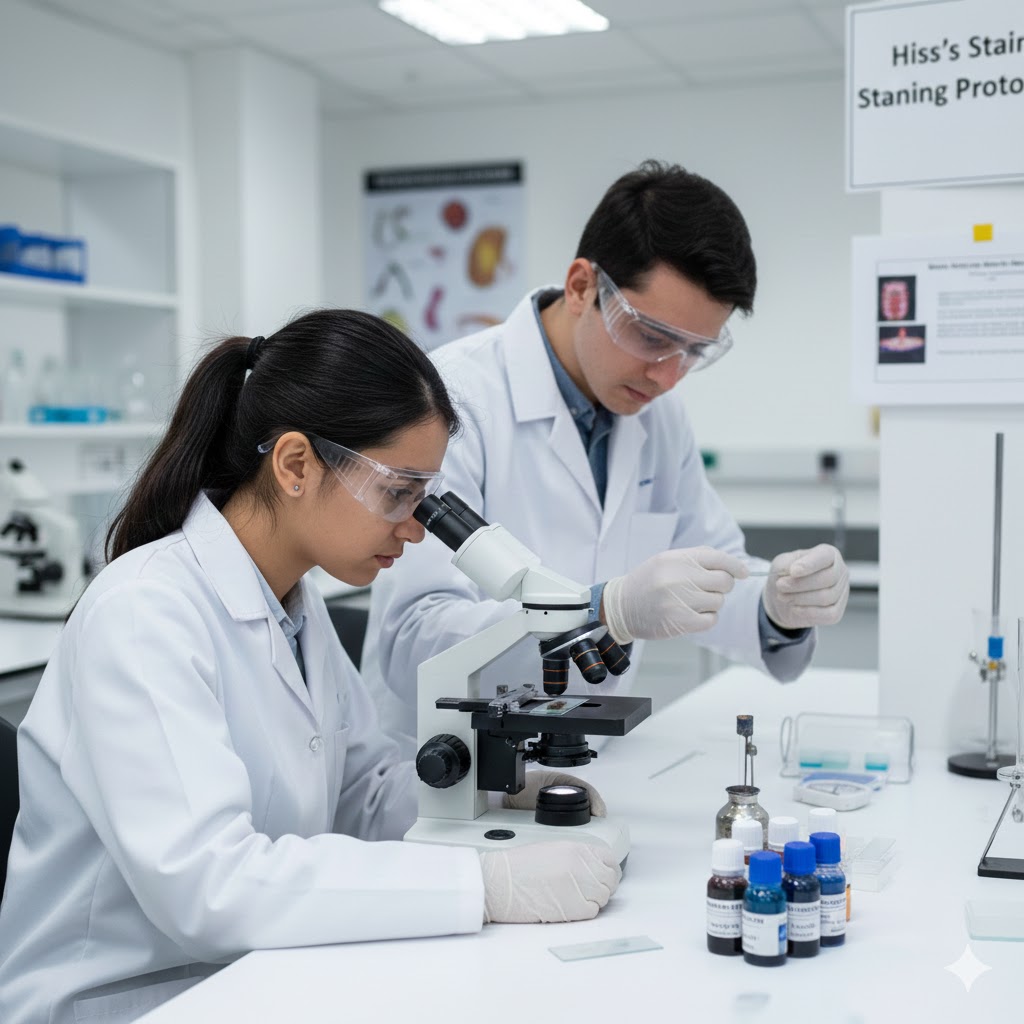
Microscopes:- Certainly! Microscopes are essential tools used in various scientific disciplines to observe and study objects and organisms at a microscopic level. Here’s some important information about microscopes, including their components, uses, and care: Components of a Microscope: Eyepiece (Ocular): The lens you look through; typically provides 10x magnification. Objective Lenses: Multiple lenses on a rotating nosepiece, each with different magnification levels (e.g., 5x, 10x, 40x, 100x). Stage: Platform where the slide is placed for observation. Illuminator: Light source, often located beneath the stage. Condenser: Focuses light onto the specimen. Diaphragm: Regulates the amount of light reaching the specimen. Coarse and Fine Adjustment Knobs: Used for focusing. Arm and Base: Provide support and stability to the microscope. Magnification and Resolution: Microscopes magnify objects and improve resolution, enabling the observation of tiny details. Types of Microscopes: There are different types, including optical (light) microscopes, electron microscopes (transmission and scanning), and fluorescence microscopes, phase contras microscope each serving specific purposes. Uses of Microscopes: Biological Studies: Examining cells, tissues, and microorganisms. Medical Field: Diagnosing diseases and studying pathogens. Material Science: Analyzing materials at the microscopic level. Research and Education: In various scientific disciplines.

Hematology

Hematology Lab Instruments, Glassware & It’s Caring

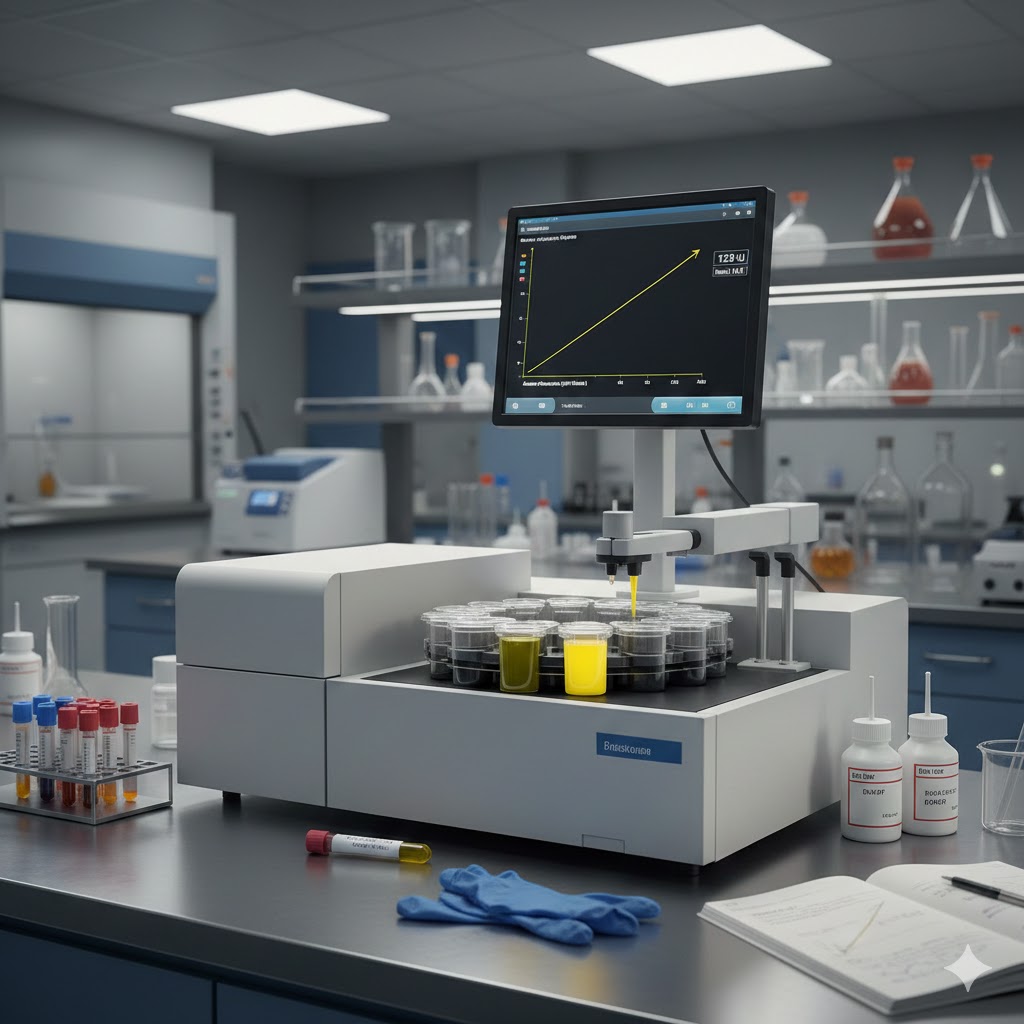
🔰 Introduction: Hematology laboratories are equipped with advanced instruments that help in the diagnosis and monitoring of blood-related diseases. Understanding these instruments and their maintenance is essential for both students and professionals. This post covers two major instruments used in hematology labs: the Hematology Analyzer and the Microscope — their components, uses, and maintenance tips. 1. Hematology Analyzer: A hematology analyzer is a medical laboratory instrument used to analyze blood components. It plays a crucial role in diagnosing and monitoring various blood-related disorders. Here are some important facts about hematology analyzers, their components, uses, and caring: Components of a Hematology Analyzer: Sample Module: The sample module is where blood samples are introduced to the analyzer. It includes a sample probe, capillary tubes, and sample racks. Diluent and Reagent System: Diluents and reagents are used to dilute blood samples and prepare them for analysis. These may include various reagents for hemoglobin, cell staining, and other specific tests. Fluidics System: The fluidics system ensures proper flow and mixing of samples and reagents. Pumps, valves, and tubing are crucial components of the fluidics system. Cell Counting Chambers: These chambers facilitate the counting and sizing of blood cells. Optical and electronic components for cell counting and sizing. Detector System: The detector system captures signals generated during the analysis. Photodetectors, photomultiplier tubes, or other sensors. Software and Display: The software processes data and presents results on a display. User interface, data processing algorithms, and a display screen. Uses of Hematology Analyzers: Complete Blood Count (CBC): Hematology analyzers are commonly used for CBC, which provides information about red blood cells, white blood cells, and platelets. Regular Maintenance: Follow the manufacturer’s guidelines for routine maintenance to ensure accurate and reliable results. Calibration: Regular calibration is essential to maintain accuracy. Calibration should be performed according to the recommended schedule. Quality Control: A robust quality control program to monitor the performance of the analyzer over time. Cleaning and Decontamination: Clean and decontaminate the instrument regularly to prevent cross-contamination between samples. Software Updates: Keep the software up-to-date with the latest updates provided by the manufacturer. Previous PostNext Post Recent Study Material Quick Revision Notes Always wear PPE: Gloves, lab coat, goggles; facemask if splashes possible. Hand hygiene: Wash hands before/after work or use sanitizer. Treat all samples as infectious: Handle carefully. Use sharps safely: Dispose of needles/lancets properly. Work in Biological Safety Cabinet (BSC): For hazardous or aerosol-producing tasks. Chemical safety: Use fume hood; know your chemicals. Emergency awareness: Know eyewash, fire extinguisher, first-aid protocols. Dispose waste properly: Separate biohazard and chemical waste. Check lab equipment: Maintain and inspect hematology analyzers. Communicate hazards: Inform team, report accidents immediately. Stay trained: Update safety training and follow SOPs. Keep accurate records: Track sample logs and incidents. Health monitoring: Participate in immunizations and report symptoms early. Download pdf Hematology Lab Instruments, Glassware & It’s Caring Popular Tags: Blood Analyzer (1) Blood Sample Handling (1) Health Monitoring (1) Hematology Equipment (1) Hematology Lab (1) Hematology Lab Rules (1) Lab Glassware (1) Lab Safety (1) Microscope Care (1) PPE (1)

Hematology

Personal care & Safety rules

🔰 Introduction: Working in a hematology lab involves dealing with blood samples and potentially hazardous materials. Personal care and safety rules are crucial to ensure the well-being of laboratory personnel and the accuracy of test results. Here are some general guidelines: 1. Personal Protective Equipment (PPE): Always wear appropriate PPE, including gloves, lab coat, and safety glasses or goggles. Consider wearing a facemask if there is a risk of splashes or aerosol generation. 2. Hand Hygiene: Wash hands thoroughly before and after handling samples or equipment. Use hand sanitizer if soap and water are not readily available. 3. Safe Handling of Samples: Treat all blood samples as potentially infectious. Use caution when handling sharp objects such as needles or lancets. Label and handle specimens carefully to prevent contamination. 4. Biological Safety Cabinet (BSC): Work with samples inside a certified biological safety cabinet when appropriate. Follow proper procedures for decontaminating the BSC and work surfaces. 5. Chemical Safety: Be aware of the chemicals used in hematology tests and follow proper handling procedures. use fume hoods when working with volatile or hazardous chemicals. 6. Emergency Procedures: Know the location and proper use of emergency equipment, such as eyewash stations and fire extinguishers. Understand and follow the lab’s emergency response protocols. 7. Waste Disposal: Dispose of biological and chemical waste in designated containers. Follow the lab’s waste disposal procedures to minimize environmental impact. 8. Equipment Safety: Regularly inspect and maintain laboratory equipment. Follow proper procedures for the use and maintenance of hematology analyzers. 9. Training and Education: Ensure that all personnel are adequately trained in laboratory safety protocols. Stay informed about new safety procedures and updates in hematology practices. 10. Record Keeping: Maintain accurate records of laboratory activities, including sample handling, test results, and safety incidents. Document any deviations from standard procedures. 11. Communication: Communicate effectively with team members about potential hazards and safety concerns. Report any accidents, spills, or exposures promptly. 12. Health Monitoring: Participate in regular health monitoring and immunization programs as required. Report any illnesses or symptoms that may be related to laboratory work. Conclusion: Safety in the hematology lab is not optional — it is essential. By following these rules, students and lab personnel can ensure both personal protection and the reliability of lab results. Previous Post Recent Study Material Quick Revision Notes Always wear PPE: Gloves, lab coat, goggles; facemask if splashes possible. Hand hygiene: Wash hands before/after work or use sanitizer. Treat all samples as infectious: Handle carefully. Use sharps safely: Dispose of needles/lancets properly. Work in Biological Safety Cabinet (BSC): For hazardous or aerosol-producing tasks. Chemical safety: Use fume hood; know your chemicals. Emergency awareness: Know eyewash, fire extinguisher, first-aid protocols. Dispose waste properly: Separate biohazard and chemical waste. Check lab equipment: Maintain and inspect hematology analyzers. Communicate hazards: Inform team, report accidents immediately. Stay trained: Update safety training and follow SOPs. Keep accurate records: Track sample logs and incidents. Health monitoring: Participate in immunizations and report symptoms early. Download pdf Personal care & Safety rules Popular Tags: Blood Sample Handling (1) Health Monitoring (1) Hematology Lab Rules (1) Lab Safety (1) PPE (1)

Uncategorized

Annual Day Celebration

📘 Introduction: Our Annual Day Celebration is one of the most awaited events of the year. It brings together students, teachers, parents, and staff to celebrate the achievements, talent, and unity of our institute. This colorful and joyful day reflects the year-long progress of our students in both academics and extra-curricular activities. The event included everything — from cultural performances to prize distribution, motivational speeches, and memorable moments that bonded us together as a family. 📌 Key Highlights: Welcome speech and lighting of the ceremonial lamp. Cultural performances: dance, music, skits, and poetry. Academic & special achievement awards for students. Student-led presentations and motivational talks. Annual progress report by Director/Principal. Chief guest’s inspiring address to the students. Group photo, refreshment, and celebration. 📚 What Students Learned: Platform to show their hidden talents. Recognition for hard work throughout the year. Stage confidence and public speaking experience. Strong bonding with classmates and faculty. Memories and motivation for the upcoming year. Why It Matters: Encourages overall student development. Celebrates both academic and personal growth. Brings families into the academic journey. Reinforces values like teamwork, dedication, and creativity. 🎓 Best for: All students from DMLT, BMLT, IT, school classes, etc.. Teachers who guide and mentor students throughout the year. All students from DMLT, BMLT, IT, school classes, etc.. Conclusion: Our Annual Day Celebration came to a joyful end, marking a successful academic year. It was a beautiful mix of recognition, talent, and togetherness, encouraging everyone to move forward with renewed energy and inspiration. Previous Post Event Gallery 6 15 14 13 12 11 10 9 Load More End of Content.

Scroll to Top