Author name: laxmienterprisesjnp@gmail.com

Blood bank

PRACTICAL OF ABO AND Rh TYPING

ABO AND Rh TYPING IS PERFORMED BY TWO METHOD:- 1.SLIDE METHOD:- Aim: – ABO grouping and Rh typing using the slide method. Objective: – ABO grouping and Rh typing using the slide method, which is a standard procedure for determining an individual’s ABO and Rh blood types. Principle: – ABO grouping and Rh typing performed by antisera based on the principle of agglutination. Normal human red cell processing antigen will clump in the presence of corresponding antibody (Anti A, Anti B, Anti D). Requirement:- *whole blood sample (EDTA) *Disposable gloves *Clean glass slide *ABO grouping and Rh typing reagents *Toothpicks or wooden sticks *Droppers of pipettes *Absorbent paper towels *Timer or stopwatch *Blood typing record sheet. Preparation:- Ensure that you are working in a well-lit and clean laboratory environment Label each glass slide with the patient’s identification or sample number Put on disposable gloves to maintain aseptic conditions ABO blood grouping procedure:-*Take three clean and dry glass slides *Place one drop of patient’s blood on each slide *Add a drop of Anti A reagent on first slide anti B on second slide, Anti D on third slide. *Mix the blood and serum gently using separate wooden sticks. Observation and record the reaction: – *if blood agglutinates (clumps)with anti A serum then the patient blood group is A. *If blood agglutinates with anti B serum, then the patient blood group is B. *If blood agglutinates with anti A and anti B both serums, then the blood group is AB. *If blood do not agglutinate with both anti A and anti B serum, then the blood group is O. Antisera A Antisera B Blood group + – A – + B + + AB – – O Rh blood grouping procedure: – Take clean and dry glass slide Place a fresh drop of the patient blood on slide Add a drop of anti Rh (anti D) serum. Mix gently with wooden stick. Observation and record the reactions: – if the blood agglutinates with anti Rh serum, then the patient blood Rh positive e.g. (A+, B+, AB+, O+) If blood is not agglutinate with anti Rh serum, then the patient blood Rh negative e.g. (A-, B-, AB-, O-) Antisera D Blood group + Rh positive – Rh negative   Clinical significance: – ABO grouping and Rh typing is important in: – *.Blood transfusion *.Used for the personal identification and paternity exclusion (before DNA testing) *.Before a person donates blood. *.Before an organ and tissue transplant *.Before surgery *.To show whether to people could be blood relatives *.To check the identity of a person suspected of committing a crime. Note: – The ABO and Rh typing determination is used for the transfusion safety, pregnancy management, transplantation, forensic identification, and understanding disease susceptibility. TEST TUBE METHOD:- AIM: – ABO grouping and Rh typing by test tube method. Principle: –In the ABO grouping and Rh typing using the antisera is based on the principle of agglutination. Normal human red cell processing antigen will clump in the presence of corresponding antibody. Requirements: – blood group tube Pasteur pipettes. Centrifuge. Reagent. Normal saline. Blood sample. Procedure: – Prepare 5% red cell suspension for ABO grouping and Rh typing. Mix 5 drops(0.05ml) of sediment red cell with 2 ml of normal saline. Centrifuge at 1500 rpm for 1–2-minute discard the supernatant part wash 3 time with normal saline. Add 4ml of normal saline to sedimented red blood cells. Take 3 test tube label them as A, B, D. Place 1 drop of anti A into ‘A’ tube, one drop of anti B into the ‘B’ tube. one drop of anti D in ‘D’ tube. Add one drop of RBC suspension to each tube. Gently shake each tube to mix the contents. And then centrifuge tube at 1500 rpm for 1 minute. The RBC will form a button or pellet at the bottom of each test tube. Gently resuspend the RBC button and examine agglutination macro and microscopically. Observation: – Antisera A Antisera B Blood group + – A – + B + + AB – – O Antisera D Blood group + Rh positive – Rh negative

Blood bank

human blood group system

Human blood group system:- Rh are major, the most important of all the blood group system. All people (with some exception) of ABO system can be divided in 4 major groups in this system they are A, B, AB and O group. This determines by the reaction of two different reagent, known Anti A, and Anti B. For example: – Forword grouping or cell grouping by using known Anti A and Anti B results obtained are as follow. Red cell sample  Reagent  Reaction Blood group  Red cell  Anti A  Agglutination  A groupThere are nearly 300 blood group systems so for discovered. The ABO and Red cell  Anti B  No agglutination  Red cell  Anti A  No agglutination  B group  Red cell  Anti B  Agglutination  Red cell  Anti A  Agglutination  AB group  Red cell Anti B  Agglutination  Red cell  Anti A  No agglutination  O group  Red cell  Anti B  No agglutination  ABO BLOOD GROUP SYSTEM:- Karl Landsteiner, an Austrian scientist discovered the ABO blood group system in the year 1900.in his experiments, he mixed different blood types and noted that the plasma from certain blood type produced agglutinates. Which were caused by the absence of molecules on red blood cells and resulting in antibodies to defeat that molecules. He made a note of the agglutination and divided the blood type in 4 different groups. For the discovery of ABO blood group, he was awarded the Nobel price. ABO and Rh blood group: – During blood transfusion, two group system are examine the ABO and Rh (Rhesus)system. ABO BLOOD GROUP: – The ABO system is based on the presence or absence of two antigens (A and B) on the surface of red blood cells (RBCs). The presence of A,B, or O antigen on red cell is determined by the inheritance of the allelic genes A, B, and O on chromosome 9, which are inherited in pairs as Mendelian dominants.  it classified into 4 types  *Group A → RBCs have A antigen, plasma has anti-B antibodies *Group B → RBCs have B antigen, plasma has anti-A antibodies *Group AB → RBCs have both A and B antigens, plasma has no antibodies (universal recipient) *Group O → RBCs have no antigens; plasma has both anti-A and anti-B antibody The ABO group system is important in blood transfusion during blood donation as mismatching of blood group can lead to clumping of RBCs with various disorders.  It is important for blood cells matching during transfusing i.e. donor -recipient compatibility is necessary.  ABO antibody: – ABO antibodies are usually IgM, which are cold reacting. These antibodies don’t cross the placenta and can bind complements. The majority of anti A from group B person or individual and anti B from group A person or individual contain IgM antibody with minor amount of IgG or IgA present. Antisera used in ABO test procedure: – In ABO test procedure antigens present on an individual cells are determining method is called forward typing or direct typing and consist of testing the unknown cells with known antisera and then observing for agglutination. Anti A antiserum: – The serum is obtained from “B” type individuals, since there is a “natural” occurrence of anti A agglutinin in their serum. Anti B antiserum: –  The serum is obtained from “A” type individuals where there is a natural occurrence of anti B agglutinin in the serum. Anti A, B typing serum: – This anti serum is obtained from “O” Type individuals. Anti A1: – This serum is obtained from human sources or plant lectins. This serum determines A1 and A1 B person from other A and AB types. Anti H: – this serum is obtained from lectin (plant source) this antiserum determines Bombay (oh)types (who lack H substance 2. Rh (Rhesus) system: –  The Rh system is the second most important blood group system after the ABO system in transfusion medicine. About two-third of the papulation contain the third antigen on the surface of their red blood cells known as Rh factor or Rh antigen. It was first discovered in 1940 by Landsteiner and Wiener in his experiment using the blood of Rhesus monkeys NOTE: –  The Rh system is a complex blood group system, mainly determined by the D antigen, playing a vital role in transfusion safety and in preventing haemolytic disease of the newborn The Rh system has more than 49 antigens, but the most significant is the D antigen. If a person has the D antigen on their red blood cell, then the person is Rh positive (Rh+). If D antigen absent on their red blood cell, then the person is Rh negative (Rh-) Some other important Rh antigens are C, c, E, and e. The Rh system is inherited genetically. It is controlled by two closely linked genes on chromosome 1.      RHD gene     –        produces the D antigen.       RHCE gene –     produces C/c and E/e antigen. Haemolytic disease (break down of RBC called haemolytic disease) of the newborn (HDN):-occurs when an Rh- mother carries an Rh+ foetus. the mother’s immune system may produce anti D antibodies that destroyed fatal red blood cells. Blood Transfusion Reactions:If Rh⁻ patients receive Rh⁺ blood, they may form antibodies (anti-D), leading to haemolysis in future transfusions. That’s why Rh typing and cross-matching are essential before blood transfusion. Rh⁻ mothers are given anti-D immunoglobulin after delivery or miscarriage to prevent sensitization. Note: – Bombay blood group is discovered by Y.M Bende in 1950.

Cross Match
Blood bank, Uncategorized

CROSS MATCH

CROSS MATCH Cross matching is a laboratory test that checks the compatibility between the donor’s red blood cells (RBCs) and the recipient’s serum(plasma). it helps to prevent transfusion reactions caused by antibodies in the recipient attacking donor red blood cells. or cross match is the final compatibility test is performed in a blood bank to ensure that a patient blood is compatible with a donor blood before transfusion. If blood is compatible with recipient blood after cross matching, then donor can donate blood. if not compatible then donor cannot donate blood. The cross match is a final check reverse and forward. In 1907 first time Hekaton he just proposes cross match. In 1908 Ottenberg first time use cross match for blood transfusion in New York. Procedure: – *Make 5% cell suspension for both donors and recipients. *Take two clean and dry test tubes and mark as major and minor cross match. *Add 50µl donor cell suspension (antigen)and 25µl serum (antibody)of recipient for major cross match. *Add 50µl cell suspension of recipient and 25µl serum of donor for minor cross match. *Mix well and incubate for 30 minutes at 37°c *After incubation observe microscopically and macroscopically Observation: – If agglutination shows, then blood is not compatible for recipient. If agglutination is not shown, then the blood is compatible for recipient. Cross match by micro gel tube method: – The micro gel tube method, also called the gel card method, is a modern and reliable technique used in blood bank to perform cross matching between donor and recipient blood. It helps ensure that compatibility before transfusion, preventing transfusion reactions. Principle: – The gel microcolumn contains antiglobulin reagent (coombs reagent) or other media that trap agglutinated red cells during centrifugation. Agglutinated(incompatible)red cells are trapped in the gel. Non agglutinated(compatible) red cells pass through the gel and settle at the bottom. It detects antigen-antibody reactions between donor red cells and recipient serum/plasma. Requirement: – Gel card (antiglobulin gel microtube card)   Sample (both donor and recipient) Micropipette and tips Centrifuge (specific for gel cards) Incubator   Procedure: – Prepare 2-5% suspension of donor red cells in normal saline. Add 50µl of recipient serum/plasma into the designated microtube of gel card. Add 25µl of donor red cell suspension to the same microtube. Incubate the card at 37°c for 15-30 minutes (to allow antigen-antibody reaction). Centrifuge the card in a gel card centrifuge for 10 minutes. Observe the position of red cells in the gel column. Interpretation or Results: – If red cells are forming a band at the top or dispersed in the gel then result positive means agglutination occurred, blood is incompatible. If red cells are forming a pellet at the bottom of the microtube (or RBC settle down in bottom of microtube) then result negative means agglutination does not occur, blood is compatible. If mixed pattern means some cells are trapped, or on top and some at bottom then result weak positive show incompatibility (possible minor).

Blood
Blood bank

Blood bank notes

Blood banking index:- 1. Blood Bank Management & Documentation of Packaging:- Reception, Indexing & Recording Decontamination of blood bags, workbench, andal and immune antibodies) Distribution of ABO antigens (A, B, and H Antigens) on red cells and antibodies in the serum. Rh blood group system Sources of errors in ABO grouping  instruments Sterilization of transfusion sets (physical & Chemical) 2. Discovery of Human Blood Group:- Theory of inheritance and nomenclature of ABO and Rh blood group system Subgroup of ABO system and Bombay group. 3. Technique for Determination of Various Blood Groups and Rh factors:- Determination of various blood groups (NaturABO hemolytic disease 4. Cross Matching and Complications of Blood Transfusion Cross math Immunological complications, non-immunological complications. History of blood bank:- The history of Blood Bank began in 1616 when William Harvey  Discovered that blood circulation through the body. In 1665, a transfusion of blood from lamp saved a young patient’s life. This led to- animal to human transfusion becoming common. The first blood bank was established in a Leningrad hospital in 1932. IN 1937, Bernard Fantus was the director of the therapeutics at cook county hospital in Chicago. Established the first hospital blood bank in the United States. Fantus created a hospital laboratory that preserved refrigerated and stored donor blood.  He also coined the term “blood bank”. The first blood bank in India was established in Kolkata in March 1942. The red cross managed the blood bank at all India institute of Hygiene and public health. The first successful transfusion of human blood to a patient was performed in 1818 by British obstetrician James Blundell.   Blundell’s transfusion was to treat postpartum hemorrhage.  In 1901, three main blood groups were discovered in 1902, the blood group is discovered in 1907. Cross matching was first used in 1914; the first non-directed transfusion was performed. In 1917, the first blood depot was established -: Universal safety rules for blood bank technicians: –  Working in blood bank is a noble profession that’s required almost care and precautions. Blood bank technicians play a crucial role in ensuring the safety of both donors and recipients. To maintain a lifesaving legacy, it is essential for these technicians to follow universal safety rules. Personal protective equipment (PPE): – Always wearing appropriate PPE including Gloves Lab Coat / Gown / Apron Face Protection Head Cover / Cap Shoe Covers / Closed Shoes Additional PPE (when needed) Safety goggles When handling blood and blood products. 1.Hand hygiene: – Hand hygiene is one of the most critical infection control practices in blood bank, since staff handle human blood, component, and samples that may carry infectious agents like HIV, HCV. Wash your hands frequently and thoroughly with soap and water, apply 3-5 ml of sanitizer, rub for 20-30 second until dry should contain 60-95% alcohol. 2. Sharp object safety: – Prefer safety engineered needles and syringes with retractable or shielded tips. Do not recap needles after use. Avoid passing sharps directly from hand to hand (use trays). Dispose of used needles, scalpels, and glass pieces immediately after use in puncture-proof, leak-proof, clearly labelled sharps containers. Keep the blood collection area clean, uncluttered, and well-lit. Handle glass blood bottles, vacutainers, and pipettes carefully to prevent breakage.   Regular staff training on safe handling, disposal, and emergency procedures.   Posters and reminders in the blood bank to reinforce best practices.   3.Infection control:- Follow standard precaution to prevent the spread of infectious disease treat all blood product are potentially infectious. 4. Labelling: – Ensure proper labelling of all blood products and specimens confirm the information and levels match the requisition forms. 5..Blood typing and cross match: -Double check patients’identification and blood compatibility before transfusion to prevent error. Blood typing is the process of determining a person’s blood group based on the presence or absence of specific antigens on red blood cells (RBCs). Crossmatching is done before a blood transfusion to ensure compatibility between donor and recipient blood. It prevents haemolytic transfusion reactions. 6. Blood donation: – blood donation is the voluntary process of giving blood, which is then used for transfusions or to make blood components (like plasma, platelets, or red blood cells) for patients in need. If involved in the collection process, ensure that all blood donation equipment sterile and used according to established procedures 7. Equipment maintenance: – Regularly inspect and maintained equipment like refrigerator, freezer, and centrifuge to ensure the integrity of blood products 8.Storage:- Follow strict instructions of guidelines for storing blood products ensure proper temperature control and monitor for any signs of spoilage or contamination. 9.Emergency procedures: – Stay calm and follow the laboratory’s Standard Operating Procedures (SOPs) Protect yourself first using PPE (gloves, mask, apron) Alert staff and supervisor immediately Document the incident properly 10.Disposal: – Dispose of biohazardous waste including contaminants materials and sharps, accordance with rule -regulation and guidelines. 11.Training and education: – Stay current with blood banking procedures and safety practices throughout the regular training and continuing education. 12.Quality control:- Participate in quality control and assurance programs to maintain the highest standards of safety and accuracy. 13.Documantaion: – Maintain accurate records of all blood product handling testing and transfusions. Document any incidents or deviations from standards procedures 14. confidentially: – Maintain strict confidently of patient information and blood donor records. 15.Communication: – Clearly and accurately communicate with healthcare providers and other staff involved in the blood transfusion process. 16.Safety data sheets (SDS): – Familiarize yourself with safety data sheets for all chemicals and reagents used in the blood bank follow safety instructions and guidelines. 17. zero tolerance for risky behaviour: – Report any unsafe practices or deviations from safety protocols to your supervisor immediately 18.contnuous monitoring: – Regularly monitor and assess safety practices to identify and address potential risks and improvement. Donor selection:- Pre-donation counselling by trained staff should be made available maintaining privacy and confidentiality pre donation information should be included. Modes of transmission leading to risk behaviour and self-exclusion for patients’ safety. Alternative testing site Test carried out on donated blood.

Microbiology

MOTILITY TESTING OF MICROORGANISUM

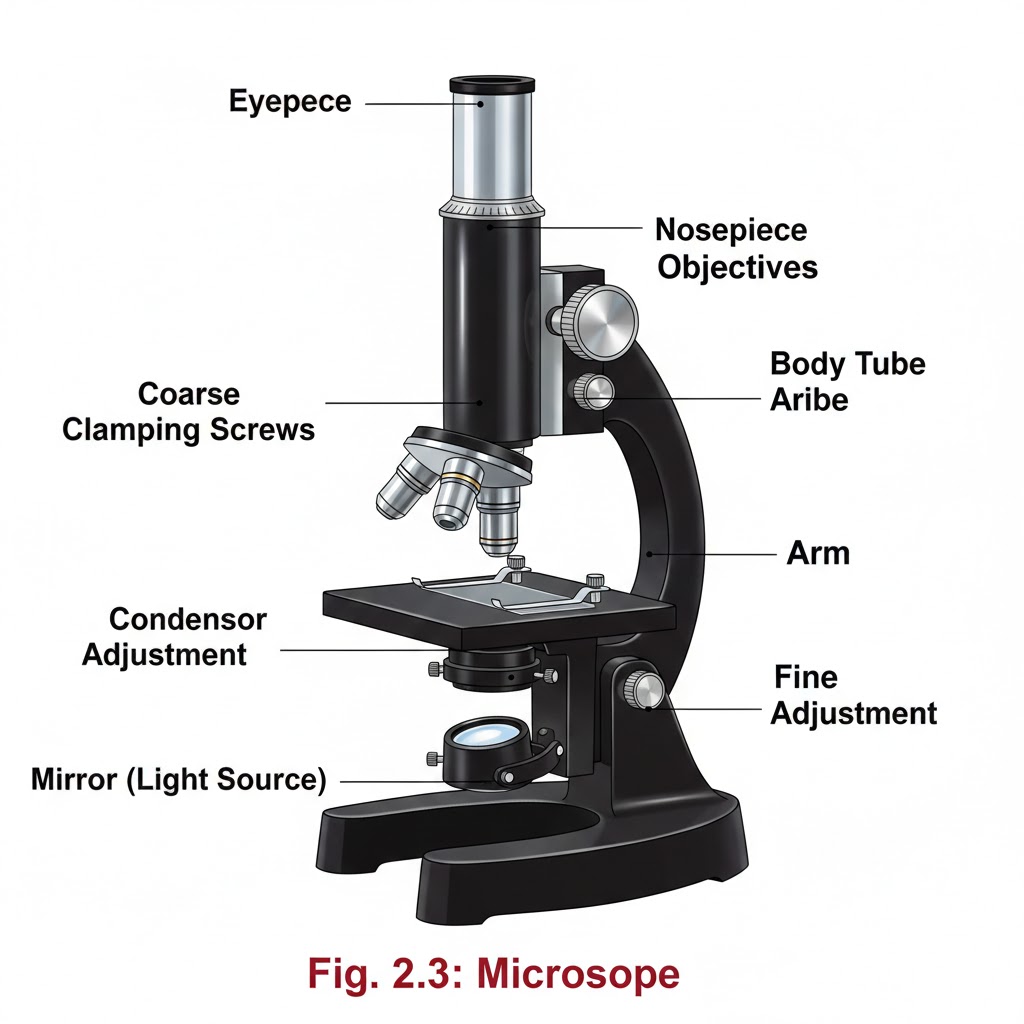
Motility testing of the microorganism or hanging drop preparation:- Requirements:- 1.       Hollow ground (depression) or cavity slide 2.       Coverslip 3.       Petroleum jelly 4.       Two known cultures (one containing motile and other non-motile organism) 5.       Microscope Procedure– 1.      Apply petroleum jelly at the four corners of the coverslip. 2.       Place aseptically loopful of culture at the middle of the coverslip. 3.       Take the cavity slide and invert the concave portion over the drop. 4.       Invert the whole preparation so that the coverslip is on the top. 5.      Examine the suspension under low power lens first. Cut down the light by adjusting the diaphragm of the condenser and then swing the objectives to the high dry lens, 6.      Observe for motility (it can be detected by the presence of directional motion). Note– 1.       Look at one organism for about 1 minute and see if it moves out of its original position. 2.       Jumping or dancing organisms are not necessarily true motiles, but these movements may be due to Brownian movement. 3.       Record the results of the observations by indicating “motile” or “non-motile” organism. After finishing the observations, place the cavity slide in disinfectant solution.

Simple Staining
Microbiology

Gram staining Theories

Gram stain:- Very commonly used differential staining is Gram staining, used to differentiate gram-positive & gram-negative bacteria. Developed by Hans Christian Gram in 1884. Gram’s Staining Principle:- 1.   Bacteria having cell walls with a thick layer of peptidoglycan will resist decolorization of primary stain and appear violet or purple. 2.    Bacteria having a thin peptidoglycan layer with lesser cross-linkage lose primary stain during decolorizing and gain counter stain appearing pink orred.  3.    In an aqueous solution of crystal violet dye, their molecules dissociate into CV+ and Cl– ions. These ions easily penetrate the cell wall components of both positive and negative bacteria. 4.  When Gram’s Iodine is added as mordant, the iodine (I) interacts with CV+ion and forms CV-I complex within cytoplasm and cell membrane and cell wall layers. 5.When decolorizing solution (ethanol or a mixture of ethanol and acetone) is added it interacts with lipids in the cell wall. 6.  The outer membrane of the Gram-Negative bacterial cell wall is dissolved exposing the peptidoglycan layer 7.     The peptidoglycan layer is thin with less cross-linking in the Gram-Negative cell wall, hence becoming leaky. This causes cells to lose most of the CVI complexes. 8.Whereas in Gram-Positive bacteria, there is no outer membrane, and the peptidoglycan layer is also thick with higher cross-linkage. 9.So, the decolorizing solution dehydrates the peptidoglycan layer trapping all the CVI complexes inside the cell wall and bacteria retain the purple orviolet color of crystal violet. 10.When counterstain, positively charged safranin, is added, it interacts with the free negatively charged components in Gram-Negative cell wall and membrane and bacteria becomes pink/red. 11.Whereas, there is no space to enter inside the dehydrated Gram-Positive cell wall due to CVI complex and dehydration. Hence, safranin can’t stain themred or pink and Gram-Positive bacteria reveal the purple or violet color. Gram’s Staining Protocol:- •       Flood crystal violet solution over fixed smear •       After 30 – 60 seconds, pour off the Crystal Violet solution and rinse with gentle running water. •       Flood the Gram’s Iodine solution over the smear •       Leave the iodine solution for 30 – 60 seconds and pour off the excess iodine and rinse with gentle running water •       Shake off the excess water over the smear •       Decolorize the smear by passing the decolorizing solution till the solution runs down in clear form. Alternatively, add a few drops of decolorizing solution and shake gently and rinse with distilled water after 5 seconds. •       Rinse with distilled water to wash decolorizer •       Shake off the excess water over the smear •       Pour counter stain over the smear •       Leave for 30 – 60 seconds and wash with gentle running water •       Air-dry or blow-dry the smear.

Microbiology

BACTERIAL DISEASES

PULMONARY TUBERCULOSIS Pathogen:-      Mycobacterium tuberculae  Incubation Period:-      2-10 weeks Symptoms:-Coughing; chest pain and bloody sputum with tuberculin. Epidemiology:-Airborne & Droplet infection Therapy/ Prophylaxis:-Streptomycin,para-amino salicylic acid, rifampicin etc./ BCG vaccine Isolation, Healtheducation DIPHTHERIA Pathogen:- Corynebacterium diphtheriae Incubation Period:-     2-6 days Symptoms:-Inflammation of mucosa of nasal chamber, throat etc. respiratory tract blocked. Epidemiology:-Airborne & Droplet infection Therapy/ Prophylaxis:-Diphtheria antitoxins, Penicillin, Erythromycin/ DPT vaccine CHOLERA:- Pathogen:-   Vibrio cholerae Incubation Period:-6 hours to 2 – 3 days Symptoms:-Acute diarrhoea & dehydration. Epidemiology:-Direct & oral (with contaminated food & water) Therapy/Prophylaxis:-Oralrehydration therapy & tetracycline/ Sanitation, boiling of water &cholera vaccine Leprosy:- Pathogen:-Mycobacterium leprae Incubation Period:-  2-5 years Symptoms:-Skin hypopigmentation, nodulated skin, deformity of fingers & toes. Lepromin in skin tests. Epidemiology:-lowest infectious & contagious Therapy/Prophylaxis:-Dapsone, rifampicin, Clofazimine./ Isolation Pertussis(Whooping Cough):- Pathogen:-Bordetella pertussis Incubation period:- 7-14 days Symptoms:-Whoops during inspiration Epidemiology:-Contagious & Droplet infection Therapy/Prophylaxis:-Erythromycin / DPT vaccine Tetanus(Lock Jaw):- Pathogen:-Clostridium tetani Incubation Period:- 3-21 days Symptoms:-Degeneration of motor neurons, rigid jaw muscles, spasm and paralysis Epidemiology:-Through injury Therapy/Prophylaxis:-Tetanus- antitoxins. / ATS and DPT vaccines. Gonorrhoea:- Pathogen:-          Neisseria gonorrhoeae Incubation Period:-   2-10 days Symptoms:-   Inflammation of urinogenital tract. Epidemiology:-   Sexual transmission Therapy/Prophylaxis:-Penicillin & Ampicillin / Avoid prostitution Syphilis:- Pathogen:-Treponema pallidum Incubation period:-3 weeks Symptoms:-Inflammation of urinogenital tract. Epidemiology:-Sexual transmission Therapy/Prophylaxis:-Tetracycline & penicillin. / Avoid prostitution Viral Disease:-Chickenpox(Varicella): Pathogen – Herpes-zoster virus (DNA- virus) Epidemiology – Contagious & Formite borne Incubation Period – 12-20 days Symptoms – Dark red coloured rash or pox changing into vesicles, crusts and falling. Prophylaxis – Now vaccine available, isolation. Therapy – Zoster Immunoglobulins (ZIG). 2. Smallpox(Variolla):- Pathogen – Variola-virus (DNA-Virus) Epidemiology – Contagious & Droplet infection Incubation Period – 12-days Symptoms – Appearance of rash changing into pustules, scabs and falling. Prophylaxis – Smallpox vaccine. Therapy – No case reported after 1978. 3.Poliomyelitis:- Pathogen – Polio-virus (RNA-virus) Epidemiology – Direct & oral Incubation Period – 7-14 days Symptoms – Damages motor neurons causing stiffness of neck, convulsion, paralysis of generally legs. Prophylaxis – ‘Salk’ vaccine and Oral Polio vaccine. Therapy – Physiotherapy. 4. Measles(Rubeolla Disease):- Pathogen – Rubeolla-virus (RNA-virus) Epidemiology – Contagious & Droplet infection Incubation Period – 10 days Symptoms – Rubeolla (skin eruptions), coughing, sneezing etc. Prophylaxis – Edmonston- B-vaccine, isolation Therapy – Antibiotics & sulpha drugs. 5. Mumps:- Pathogen – Mumps-virus (RNA-virus) Epidemiology – Contagious & Droplet infection Incubation Period – 12-26 days Symptoms – Painful enlargement of parotid salivary glands. Prophylaxis – Mumps- vaccine isolation Therapy – Antibiotics. 6. Rabies(Hydrophobia) Pathogen – Rabies-virus (RNA-virus) Epidemiology – Indirect & inoculative (vectors are rabid animals monkeys, cats, dogs) Incubation Period – 10 days to 1- 3 months Symptoms – Spasm of throat & chest muscles, fears from water, paralysis and death. Prophylaxis – Immunization of dogs.  Therapy – Pasteur- treatment (14 vaccines in stomach). 7.Trachoma:- Pathogen – Chlamydia trachomatis Epidemiology – Contagious, formite-borne and flies (vectors) Incubation Period – 5-12 days Symptoms – Inflammation of conjunctiva & cornea leading to blindness. Prophylaxis – Isolation Therapy – Tetracycline & sulfonamide. 8.Influenza(Flu):- Pathogen – Myxovirus influenzae (RNA-virus) Epidemiology – Air borne and pandemic Incubation Period – 24-48 Hours Lasts for 4-5 days Symptoms – Bronchitis, sneezing bronchopneumonia, leucopenia, coughing, etc. Prophylaxis – Isolation. Therapy – Antibiotic therapy. 9.Hepatitis(Epidemic Jaundice):- Pathogen – Hepatitis-B virus Epidemiology – Direct & oral (with food and water) Incubation Period – 20-35 days Symptoms – Damage to liver cells releasing bilirubin which causes jaundice. Prophylaxis – Proper sanitation proper coverage of food, water, milk etc. use of chlorinated or boiled water, etc.  Therapy – Hepatitis-B vaccine.

Microbiology
Microbiology

MICROBIOLOGY AND SEROLOGY PRACTICAL INDEX

MICROBIOLOGY INDEX 1.      Safety measures in the Microbiology Laboratory working area. 2.      Isolation of bacteria 3.      Culture media a.     Introduction and preparation technique of     Culture Media b.    Type of Culture Media       Nutrient Agar       MacConkey Agar        Blood Agar         EMB Agar         XLD Agar          Deoxycholate Citrate Agar          Lowenstein Jensen Acid Medium 4.      Isolation of Bacteria       a.  Inoculation Technique           Streaking Method,     Pouring Method     Spreading Method       Lawn Method b. Incubation of micro-organisms on or in Culture media c.  Study of Bacterial Colony morphology d.   Biochemical identification of microbiology  i.     Catalase Test ii.     Coagulase Test iii.     Oxidase Test iv.     Urease Test v.     Indole Test vi.     Bile Solubility test vii.    Cetrimide test viii.  Decarboxylase test. e.     Slide preparation of various Specimens f.     Staining Technique  i.     Simple Stain  ii.   Gram’s Stain  iii. AFB or ZN Stain   iv.  Albert Stain   v.     Negative Stain 5.       Cultivation of Fungi 6.       Motility Testing of micro-organisms 7.       Anti-bacterial sensitivity testing 8.       Preparation of VDRL buffer and Antigen emulsion Serology practical index 1.       VDRL Agglutination test for syphilis by Quantitative and Qualitative method 2.       Rapid Plasma Reagin (RPR) test for syphilis 3.       Widal test by Qualitative and quantitative method. 4.       Ring Test 5.       Nepier Aldehyde Test 6.       ASO test by Quantitative and Qualitative 7.       Rheumatoid Arthritis Test (RA Test) 8.       C-Reactive Protein Test (CRP) 9.       Immunologic Pregnancy Test

Biochemistry

GLOBULINE AND A/G RATIO

Globulin & AG Ratio Aim:-   Find out of globulin protein and AG Ratio from Total protein and Albumin. Method: – Calculation Globulin (g/dl) = Total Protein – Albumin If, Total Protein is = 6.46 g/dl, &  Serum Albumin is = 4.30 Then,  Globulin (g/dl) = 6.46 – 4.30 Globulin (g/dl) = 2.16  AG Ratio Calculation:- AG Ratio = Albumin / Globulin  AG Ratio = 4.30/2.16 AG Ratio = 1.99  Normal Value:- AG Ratio = 0.9 – 2.0 g/dl  Globulin = 2.5 – 3.5 g/dl

Clinical Pathology

MEN INFERTILITY

MEN INFERTILITY:- Male infertility is any health issue in a man that lowers the chances of his female partner getting pregnant. About 13 out of 100 couples can’t get pregnant with unprotected sex. There are many causes for infertility in men and women. In over a third of infertility cases, the problem is with the man. This is most often due to problems with his sperm production or with sperm delivery. What Happens Under Normal Conditions? The man’s body makes tiny cells called sperm. During sex,ejaculation normally delivers the sperm into the woman’s body. The male reproductive system makes, stores, and transports sperm. Chemicals in your body called hormones control this. Sperm and male sex hormone (testosterone) are made in the 2 testicles. The testicles are in the scrotum, a sac of skin below the penis. When the sperm leave the testicles, they go into a tube behind each testicle. This tube is called the epididymis. Just before ejaculation, the sperm go from the epididymis into another set of tubes. These tubes are called the vas deferens. Each vasdeferens leads from the epididymis to behind your bladder in the pelvis. There each vas deferens joins the ejaculatory duct from the seminal vesicle. When you ejaculate, the sperm mix with fluid from the prostate and seminal vesicles.This forms semen. Semen then travels through the urethra and out of the penis. Male fertility depends on your body making normal sperm and delivering them. The sperm go into the female partner’s vagina. The sperm travel through her cervix into her uterus to her fallopian tubes. There, if sperm and egg meet, fertilization happens. Causes:– Making mature, healthy sperm that can travel depends on many things. Problems can stop cells from growing into sperm. Problems can keep the sperm from reaching the egg. Even the temperature of the scrotum may affect fertility. These are the main causes of male infertility: Sperm Disorders Varicoceles Retrograde Ejaculation Immunonologic Infertility Obstruction Hormones Medication Sperm Disorders:- The most common problems are with making and growing sperm. Sperm may: not grow fully be oddly shaped not move the right way be made in very low numbers (oligospermia) not be made at all (azoospermia) Sperm problems can be from traits you’re born with. Lifestyle choices can lower sperm numbers. Smoking, drinking alcohol, and taking certain medications can lower sperm numbers. Other causes of low sperm numbers include long-term sickness (such as kidney failure), childhood infections (such as mumps), and chromosome or hormone problems (such as low testosterone). Damage to the reproductive system can cause low or no sperm. About 4 out of every 10 men with total lack of sperm (azoospermia) have an obstruction (blockage) within the tubes the sperm travel through. A birth defect or a problem such as an infection can cause a blockage. Varicoceles:-  Varicoceles are swollen veins in the scrotum. They’re found in 16 out of 100 of all men. They are more common in infertile men (40 out of 100). They harm sperm growth by blocking proper blood drainage. It may be that varicoceles cause blood to flow back into your scrotum from your belly. The testicles are then too warm for making sperm. This can cause low sperm numbers. For more information please refer to the Varicoceles information page. Retrograde Ejaculation:- Retrograde ejaculation is when semen goes backwards in the body. They go into your bladder instead of out the penis. This happens when nerves and muscles in your bladder don’t close during orgasm (climax). Semen may have normal sperm, but the semen is not released from the penis, so it cannot reach the vagina. Retrograde ejaculation can be caused by surgery, medications or health problems of the nervous system. Signs are cloudy urine after ejaculation and less fluid or “dry” ejaculation. Immunologic Infertility:– Sometimes a man’s body makes antibodies that attack his own sperm. Antibodies are most often made because of injury, surgery or infection. They keep sperm from moving and working normally. We don’t know yet exactly how antibodies lower fertility. We do know they can make it hard for sperm to swim to the fallopian tube and enter an egg. This is not a common cause of male infertility. Obstruction:- Sometimes the tubes through which sperm travel can be blocked. Repeated infections, surgery (such as vasectomy), swelling or developmental defects can cause blockage. Any part of the male reproductive tract can be blocked. With a blockage, sperm from the testicles can’t leave the body during ejaculation. Hormones:- Hormones made by the pituitary gland tell the testicles to make sperm. Very low hormone levels cause poor sperm growth. Chromosomes:- Sperm carry half of the DNA to the egg. Changes in the number and structure of chromosomes can affect fertility. For example, the male Y chromosome may be missing parts. Medication:- Certain medications can change sperm production, function and delivery. These medications are most often given to treat health problems like: arthritis depression digestive problems anxiety or depression infections high blood pressure cancer Diagnosis:- Causes of male fertility can be hard to diagnose. The problems are most often with sperm production or delivery. Diagnosis starts with a full history and physical exam. Your health care provider may also want to do blood work and semen tests. History and Physical Exam:- Your health care provider will take your health and surgical histories. Your provider will want to know about anything that might lower your fertility. These might include defects in your reproductive system, low hormone levels, sickness or accidents. Your provider will ask about childhood illnesses, current health problems, or medications that might harm sperm production. Such things as mumps, diabetes and steroids may affect fertility. Your provider will also ask about your use of alcohol, tobacco, marijuana and other recreational drugs. He or she will ask if you’ve been exposed to radiation, heavy metals or pesticides. Heavy metals are an exposure issue (e.g. mercury, lead arsenic). All of these can affect fertility. Your health care provider will learn how your body works during sex. He or she will want to

Scroll to Top