Author name: laxmienterprisesjnp@gmail.com

Histopathology

tissue processing practical

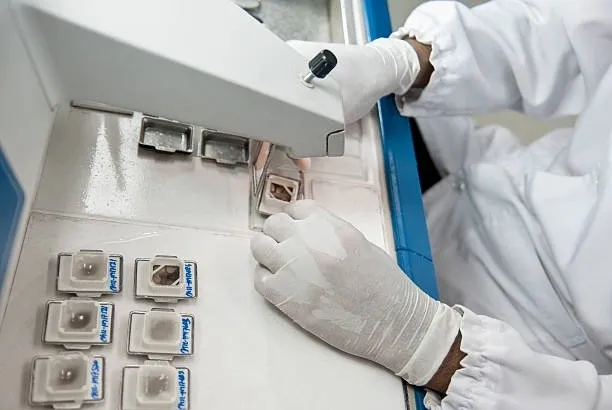
TISSUE PROCESSING :- Tissue processing can be performed either manually or through automated tissue processor. The device can handle larger number of tissues, process more quickly and produces better quality outcome. Two types of devices are available � Tissue transfer or dip dunk � Fluid transfer or enclosed Advantages of automated tissue processor – Saves time, decreases human error, effective fluid circulation, Temperature can be adjusted and vacuum/pressure can also be incorporated. Tissue Transfer Type:-  The machine consist of a time clock, a circular superstructure that contains basket carrier, a receptacle basket and receptacles (stainless steel or plastic capsules), and a circular deck which holds the reagent beakers and plastic baths. Small blocks of tissue are enclosed in the perforated capsules. These capsules are placed in the basket which in turn is attached to one of the yokes in the superstructure, while it is in the raised position. When the superstructure descends the basket is immersed in the first solution and other reagent beakers are covered preventing evaporation of reagents. To move the basket from one reagent to the next the entire superstructure ascends and descends at scheduled intervals controlled by the time clock. During immersion the basket rotates so the infiltration of fluid into the tissues is optimum. The entire process takes about 16 hours. The machine is started in the evening so that the process is complete in the morning,and embedding is done.   Enclosed Type In this type of tissue processor the tissues remain in one container but reagents get changed at scheduled interval. Manual:– In this process the tissue is changed from one container of reagent to another by hand. Advantages:- *Can be used when the number of tissue blocks is limited *Non-availability of automated tissue processor Disadvantages :- *Difficult to use when large number of tissue blocks are to be processed *Proper agitation of reagent not achieved *More evaporation of reagents *Process is tedious and requires constant attention Precautions:- 1. Labels should be written with graphite pencil, India ink or typed. 2. The fluid used in complete dehydration and clearing tend to become contaminated with fluid carried over from previous vat by the tissue. Every alternate day daily the last solution is the series are replaced by fresh solution of 100% alcohol, acetone and xylene and the previously used once one moved forward while the first one is discarded. Other reagents are changed twice a week or earlier with an average work load. It is far better to change the reagents a day earlier than to have a precious surgical specimen improperly infiltrated.  

Histopathology

Tissue processing in histology

INTRODUCTION:- The technique of getting fixed tissues into paraffin is called tissue processing. This describes the steps required to take animal and human tissues from fixation to the state where it is completely infiltrated with a suitable wax i.e. paraffin wax and can be embedded and ready for section cutting on microtome OBJECTIVES:- After reading this lesson, you will be able to: *define tissue processing *describe its aim and method of processing. Aim: To process the fixed tissue into a form in which it can be made into thin microscopic sections. Processing:  The steps in this process are dehydration and clearing. Dehydration:  It is the process of removing water from tissues. It is important because paraffin is not miscible with water. Dehydration is usually complete when less then 3-4% of water remains in the tissues. Time required for this depends on: 1. Permeability of tissues 2. Continuous rotation of fluid to prevent stagnation of fluid around tissues 3. Temperature 4. Vacuum applied Dehydrants: Ethyl alcohol, Methyl alcohol, Butyl alcohol and Isopropyl alcohol. The most commonly used dehydrant is ethyl alcohol. Alcohol Method:- The tissues are passed through a series of progressively more concentrated alcohol baths. Concentration of first alcohol bath depends on the fixative and size and type of the tissue, e.g. delicate tissue needs lower concentration of alcohol and smaller interval between two strengths of alcohol.  Usually 70% alcohol is employed as the first solution and100% as the last solution. After about 40 tissues have passed through the first change of alcohol, it is discarded and all the other changes are brought one step lower. Absolute alcohol at the end is always fresh. Usually tissues are kept in each solution for 40 to 60 minutes. Use of copper sulphate in final alcohol:  A layer of anhydrous CuSO4 is placed at the bottom of a dehydrating bottle or beaker and is covered with 2-3 filter paper of approximate size to prevent staining of the tissue. Anhydrous CuSO4 removes water from alcohol as it in turn removes it from tissues. Anhydrous CuSO4 is white in colour while the hydrated form is blue. Therefore, it acts as an indicator for the presence of water. Advantage of CuSO4 1. Rapid dehydration 2. Prolongs life of alcohol 3. Blue colouration of CuSO4 indicates that both alcohol and CuSO4 should be changed Acetone – Acetone is clear colourless inflammable fluid which is miscible with water, ethanol. It is used for complete dehydration. Four changes of acetone of half an hour or two changes of one hour are given to achieve complete dehydration of tissues. Advantages *Rapid actio                                                                                                                                                                                                *Easily removed by most clearing agents                                                                                                                                            *Less expensive Disadvantages:- *Highly volatile *Causes shrinkage and brittleness of tissues *Dissolves lipid more than ethanol Clearing :- Clearing is a process which leaves the tissues clear and transparent. This term relates to the appearance of the tissues after the dehydrating agent has been removed. If the refractive index of the clearing agent is similar to the protein of tissue the tissue becomes transparent. The end point of clearing can be noted by the transparent appearance of the tissue. Thus clearing serves two purposes 1. Removes alcohol to make paraffin impregnation complete 2. Acts as solvent for the mounting media which renders the tissues transparent and improves the refractive index, making microscopic examination easier. Clearing Agents:-  Xylene – It is colourless and most commonly used. Two changes of one hour each are given to get the end point. Prolonged treatment hardens the tissues. It is not preferred for brain tissue. Other Clearing Agents:-  Toluene Dioxane Cedarwood oil Cloroform  Benzene Carbol-xylene – clears rapidly, it is kept reserved for material difficult to clear INFILTRATION AND IMPREGNATION:- After clearing, tissues are transferred to molten paraffin wax for filtration and impregnation. During this process clearing agent diffuses out and molten wax is infiltrated. The wax which has infiltrated in the tissue gets deposited. This process is called impregnation. Routinely two changes are given in the wax to get proper impregnation. The duration and number of changes required for thorough impregnation of tissue depends on  1. Size and type of tissues-Longer time is required for thicker tissues. Vacuum reduces the time required for complete impregnation. 2. Clearing agent employed 3. Use of vacuum imbedding Tissue processing may be performed manually or with the help of automated tissue processor. Routinely 12 containers containing different solutions are used for processing in the following order 10% formalin – container no 1, 2 50% alcohol – container no 3 90% alcohol – container no 4 & 5 Absolute Alcohol – container no 6 Acetone – container no 7 & 8 Xylene – container no 9 & 10 Paraffin Wax – container no 11 & 12      

Histopathology, Uncategorized

Decalcification in histology

INTRODUCTION:- The presence of calcium salts in tissues makes them hard. This causes damage to the knife, difficulty in cutting tissue. Calcium is normally present in bones and teeth. Calcium may also be present in normal tissues in pathological conditions like necrotic tissue in tuberculosis. OBJECTIVES:- After reading this lesson, you will be able to:  *describe decalcification *explain different methods of decalcification *describe the chemical and physical tests to estimate the remaining calcium. DECALCIFICATION:- Aim – To remove calcium salts from the tissues and make them amenable for sectioning.  Preparation of tissues – The calcified hard tissues should be first cut into small pieces (2 to 6mm) with a thin blade, hacksaw or sharp knife in order to minimize the tearing of the surrounding tissues. This process is followed by fixation in buffered formalin or any other desired fixative. After fixation tissues must be thoroughly washed and excess fixative should be removed before the specimen is subjected to decalcification. DIFFERENT METHODS OF DECALCIFICATION:- 1. Acid decalcification 2. Ion exchange resin 3. Electrical ionization 4. Chelating methods 5. Surface decalcification Decalcification process should satisfy the following conditions *Complete removal of calcium salts *Minimal distortion of cell morphology *No interference during staining Decalcification is a straightforward process but to be successful it requires: *A careful preliminary assessment of the specimen *Thorough fixation *Preparation of slices of reasonable thickness for fixation and processing *The choice of a suitable decalcifier with adequate volume, changed regularly *A careful determination of the endpoint *Thorough processing using a suitable schedule. Methods of Decalcification :- The tissue is cut into small pieces of 3 to 5 mm size. This helps in faster decalcification. The tissue is then suspended in decalcifying medium with waxed thread. The covering of wax on thread prevents from the action of acid on thread. The volume of the decalcifying solution should be 50 to 100 times of the volume of tissue. The decalcification should be checked at the regular interval. Acid Decalcification – This is the most commonly used method. Various acid solutions may be used alone or in combination with a neutralizer. The neutralizer helps in preventing the swelling of the cells. Following are the usually used decalcifying solutions- 1. Aqueous Nitric Acid:- Nitric acid              –         5ml Distilled water       –        100 ml If tissue is left for long time in the solution, the tissue may be damaged. Yellow colour of nitric acid should be removed with urea. But this solution gives good nuclear staining and also rapid action. 2. Nitric Acid Formaldehyde Nitric acid                 – 10 ml Formaline                 – 5-10 ml                                                                                                                        Distilled water upto 100 ml Advantages   * Rapid action *Good nuclear staining *Washing with water is not required *Formalin protects the tissues from maceration 3. Formic Acid Solution: Formic acid                   – 5  ml Distilled water              – 90 ml Formalin                       –  5 ml In this solution the decalcification is slow. If concentration of formic acid is increased the process is fast but tissue damage is more: 4. Trichloroacitic Acid – This is used for small biopsies. The process ofdecalcification is slow hence cannot be used for dense bone or big bony pieces. Formal saline (10%)                 –      95 ml Tricloroacitic acid                    –      5 gm Ion Exchange method – In these ammonium salts of sulfonated polystyrene resin is used. The salt is layered on the bottom of the container and formic acid containing fluid is filled. The decalcifying fluid should not contain mineral acid. X-rays can only determine complete decalcification. The advantages of this method are:- *Faster decalcification *Well preserved tissue structures *Longer use of resin Electrolytic Method – Formic acid or HCl are used as electrolytic medium. The calcium ions move towards the cathode. Rapid decalcification is achieved but heat produced may damage the cytological details. Chelating Agents:- Organic chelating agents absorb metallic ions. EDTA can bind calcium forming a non-ionized soluble complex. It works best for cancerous bone. This is best method for decalcification of bone marrow biopsies as it preserves cytological details best. The glycogen of marrow is preserved. EDTA Solution :- EDTA                                    –                 5.5 gm Formaline                          –                  100 ml Distilled water-                 –                   900 ml Surface Decalcification – The surface layer of paraffin blocks are inverted in5% HCl for one hour. About top 30 micron is decalcified. It should be washed thoroughly before cutting. Factors affecting rate of Decalcification:- 1. Concentration of decalcifying solution-Increased concentration of the decalcifying agent fastens the reaction. 2. Temperature-The rate of decalcification increases with rise of temperature. 3. Density of bone-Harder bone takes longer time to decalcify. 4. Thickness of the tissue-Small tissue pieces decalcify earlier. 5. Agitation-Agitation increases the rate of decalcification. METHODS OF DETERMINING OPTIMUM DECALCIFICATION OR ENDPOINT:-  Specimens should NOT be crowded together and should NOT contact the bottom of container in order to provide complete decalcification. Over decalcification can also permanently damage specimen. The following procedure help determine the correct end-point of decalcification. End-Point of Decalcification: X-ray (the most

Histopathology

TISSUE FIXATION IN HISTOLOGY

INTRODUCTION:- It is a process by which the cells or tissues are fixed in chemical and partly physical state so that they can withstand subsequent treatment with various reagents, with minimal distortion of morphology and no decomposition AIMS OF FIXATION:- (a) To preserve the tissues as close to their living state as possible (b) To prevent autolysis and bacterial attack (c) To prevent tissues from changing their shape and size during processing (d) To harden the tissues (e) To allow clear staining of sections subsequently (f) To improve the optical differentiation of cells & tissue PRINCIPLE OF FIXATION:- Fixation results in denaturation and coagulation of protein in the tissues. The fixatives have a property of forming cross links between proteins, thereby forming a gel, keeping everything in their in vivo relation to each other. PROPERTIES OF FIXATIVES AND FACTORS AFFECTING FIXATION:- 1. Coagulation and precipitation of proteins in tissues. 2. Penetration rate differs with different fixatives depending on the molecular weight of the fixative 3. pH of fixatives – Satisfactory fixation occurs between pH 6 and 8. Outside this range, alteration in structure of cell may take place. 4. Temperature – Room temperature is alright for fixation. At high temperature there may be distortion of tissues. 5. Volume changes – Cell volume changes because of the membrane permeability and inhibition of respiration. 6. An ideal fixative should be cheap, nontoxic and non-inflammable. The tissues may be kept in the fixative for a long time TYPE OF FIXATION:- Immersion fixation Perfusion fixation Vapour fixation Coating/Spray fixation Freeze drying Microwave fixation/Stabilization The most commonly used technique is simple immersion of tissues/smears in an excess of fixative. For all practical purposes immersion fixatives are most useful. These may be divided into routine and special SIMPLE FIXATIVES :- 1. Formaldehyde:- Commercially available solution contains 35%-40% gas by weight, called as formalin. Formaldehyde is commonly used as 4% solution, giving 10% formalin for tissue fixation. Formalin is most commonly used fixative. It is cheap, penetrates rapidly and does not over- harden the tissues. The primary action of formalin is to form additive compounds with proteins without precipitation. Formalin brings about fixation by converting the free amine groups to methylene derivatives. If formalin is kept standing for a long time, a large amount of formic acid is formed due to oxidation of formaldehyde and this tends to form artefact which is seen as brown pigment in the tissues. To avoid this buffered formalin is used. 2. Absolute alcohol – it may be used as a fixative as it coagulates protein. Due to its dehydrating property it removes water too fast from the tissues and produces shrinkage of cells and distortion of morphology. It penetrates slowly and over-hardens the tissues 3. Acetone :– Sometimes it is used for the study of enzymes especiallyphosphatases and lipases. Disadvantages are the same as of alcohol. 4. Mercuric chloride :– It is a protein precipitant. However it causes great shrinkage of tissues hence seldom used alone. It gives brown colour to the tissues which needs to be removed by treatment with Iodine during dehydration 5. Potassium dichromate – It has a binding effect on protein similar to that of formalin. Following fixation with Potassium dichromate tissue must be well washed in running water before dehydration. 6. Osmic acid :– It is used for fixation of fatty tissues and nerves. 7. Chromic acid – It precipitates all proteins and preserves carbohydrates. Tissues fixed in chromic acid also require thorough washing with water before dehydration. 8. Osmium tetraoxide – It gives excellent preservation of cellular details, hence used for electron-microscopy. 9. Picric acid – It precipitates proteins and combines with them to form picrates. Owing to its explosive nature when dry; it must be kept under a layer of water. Tissue fixed in picric acid also require thorough washing with water to remove colour. Tissue can not be kept in picric acid more than 24 hrs. COMPOUND FIXATIVES:- 1. Formal saline :– It is most widely used fixative. Tissue can be left in this for long period without excessive hardening or damage. Tissues fixed for a long time occasionally contain a pigment (formalin pigment). This may be removed in sections before staining by treatment with picric alcohol or 10% alcoholic solution of sodium hydroxide. The formation of this pigment can be prevented by neutralizing or buffering the formal saline. Fixation time – 24 hours at room temprature 2. Formal calcium – Useful for demonstration of phospholipids. Fixation time-24 hours at room temperature 3. Zenker’s fluid – It contains mercuric chloride, potassium-di-chromate, sodium sulphate and glacial acetic acid. Disadvantages :-– After fixation the tissue must be washed in running waterto remove excess dichromate. Mercury pigment must be removed with Lugol’s iodine. 4. Zenker’s formal (Helly’s fluid) – In stock Zenker’s fluid, formalin is added instead of acetic acid. Advantages – excellent microanatomical fixative especially for bone marrow, spleen & kidney. 5. Bouins fluid – It contains picric acid, glacial acetic acid and 40% formaldehyde. Advantages – (a) Rapid and even penetration without any shrinkage. (b) Brilliant staining by trichrome method. It is routinely used for preservation of testicular biopsiesntages – even penetration, rapid fixation Points to Remember :- 1. 10% buffered formalin is the commonest fixative. 2. Tissues may be kept in 10% buffered formalin for long duration. 3. Volume of the fixative should be atleast ten times of the volume of the specimen. The specimen should be completely submerged. 4. Special fixatives are used for preserving particular tissues. 5. Formalin vapours cause throat/ eye irritation hence mask/ eye glasses and gloves should be used. 6. Tissues should be well fixed before dehydration. 7. Penetration of fixatives takes some time. It is necessary that the bigger specimen should be given cuts so that the central part does not remain unfixed. 8. Mercury pigment must be removed with Lugol’s iodine. 9. Biopsies cannot be kept for more than 24 hours in bouin’s fluid without changing the alcohol. 10. Glutaraldehyde and osmion tetraoxide are used as fixatives for electron microscopy. Most Commonly used Fixatives in the Laboratory are 10% Formalin.

Microbiology

Biochemical Reactions on Triple Sugar Iron Agar (TSI) Slants.

TSI slants are useful in the identification of Enterobacteria by their specific reactions on the slants. v  Principle:- 1.     Alkaline reaction (red color) is shown by the organisms, who fail to ferment any one of the sugars. 2.     Fermentation of the sugars is indicated by yellow color since pH range of phenol red is 6.8 to 8.4 and color change from yellow to red. Since the glucose (dextrose) present on the surface of the medium is used up and since the surface of the slant is exposed to atmosphere, under aerobic conditions, the acid reaction on the surface reverts to alkaline (red color) in 18 to 24 hours. (which is a critical duration for this observation). In the butt, since anaerobic condition exists, the color of the butt remains yellow. 3.     Gas production (carbon dioxide) is indicated by splitting of the agar 4.     Production of hydrogen sulfide imparts black shade to the slant by reacting with ferrous ions. It is an indication of H,S producing organisms. v  Procedure:- 1.      Streak the TSI slant with a loop and stab with a straight needle. 2.      Incubate at 37°C for 18-24 hours. 3.      The various reactions obsrved on the slants are as follows. v Quality control:- 1.      Use the following microorganisms to confirm the reliability of TSI slants. 2.      Positive control:   Acid slant and butt with gas: E. coli. 3.      Negative control:   Alkaline slant and acid butt and no gas: S. paratyphi A.

Microbiology

O-Nitrophenyl-B-D-Galactopyranoside (ONPG) test

O-Nitrophenyl-B-D-Galactopyranoside (ONPG) test:-  v   Principle:- This test is used to detect an organism which produces B-galactosidase enzyme, thathydrolyses ONGP to produce the yellow colored end product orthonitrophenol(ONP). v Requirements:- 1.      ONPG disk 2.      Pure culture of suspected organism 3.      Normal saline v  Procedure:- 1.      Suspend loopful of the organisms in normal saline. 2.      Place an ONPG disk in the tube 3.      Incubate for 4 hours at 37°C. 4.      Observe the tubes for color change  v Observations:- 1             Yellow color of disk: Organism like E. coli 2              No change of color of disk: Negative test v Quality control:- 1.       Use following microorganisms to confirm the reliability of reagents: 2.       Positive test: E. coli 3.       Negative test: S. typhimurium

Microbiology

Optochin Test for pneumococci bacteria

Optochin test:-     vPrinciple:-                This test is used to identify pneumococci. Optochin lyses pneumococci.        However, alpha-streptococci are resistant to optochin.     v   Requirements:-  1    Optochin disks        2   Pure culture of suspected organisms on 5% sheep blood agar vProcedure:- 1      Streak 2-3 suspect colonies of a pure culture onto half of a 5% sheep blood                agar.       2    Aseptically place an optochin disk on upper third of the streaked area.       3    Incubate the plate for 18-24 hours.       4    Observe and measure the zone inhibition including the diameter of the disk. v Observations:- 1     Positive: Zone of inhibition more than 14 mm in diameter with 6 mm disk: pneumococci        2      Negative: No zone of inhibition        3      Equivocal: Zone of inhibition less than 14 mm  v  Quality control:-          Use following microorganisms to confirm the reliability of reagents:          Positive test: Pneumococci          Negative test: alpha-streptococci

Uncategorized

RAITMAN- FRANKEL CALORIMETRIC (SGOT)

SERUM SGOT SUMMERY:-     Serum Glutamate Oxaloacetate Transaminase (SGOT), also called as Aspartate aminotransferase (AST), belongs to the transferase class of enzymes. This enzyme shows high levels of activity in the heart, liver, skeletal muscles and kidneys. Since its level seems to be increasing enormously following Myocardial Infarction (MI), it can be used as supporting evidence in the diagnosis of MI (Especially 20-36 hrs after MI). Elevated levels are also seen in Viral / Toxic Hepatitis, Hepatic and Cardiac Necrosis, Muscular Dystrophy and Pulmonary Embolism. AIM:- Determination of Serum Glutamate Pyruvate Transaminase (SGPT or ALT) by Reifman & Frankel’s method  PRINCIPLE:- Alanine aminotransferase (GPT) catalyzes the transfer of the amino group from alanine to oxoglutarate with the formation of glutamate and pyruvate.   L-Aspartate + 2-Oxogluatarate                      GPT            Oxaloacetate +L-Glutamate        Oxaloacetate + 2,4 DNPH                                              Brownish red colored complex SGOT (AST) catalyses the transfer of amino group from Aspartic acid to 2- Oxoglutarate to form Oxaloacetate and L-Glutamate. The Oxaloacetate thus formed reacts with 2,4 Dinitrophenyl Hydrazine (2,4 DNPH) to form a corresponding Hydrazone, a brownish red colored complex in an alkaline medium.The color intensity is directly proportional to the SGOT concentration in the serum and is measured photometerically at 505 nm (490- 546).    REQUIREMENTS:-     ·        Four test-tube, ·        Colorimeter, ·        SGOT Reagent Kit, ·        Incubator, ·        Cuvette, ·        Pipette etc. ·        Fresh Serum PROCEDURE:-   1.      Pipette into test tubes labeled as Blank, Calibrator, Control, Test and proceed as per given below       Reagent Blank Calibrator Control Test Substrate Reagent 0.25 ml 0.25 ml 0.25 ml 0.25 ml Deionized Water 50µl       Serum Sample       50µl Calibrator (Conc. 170 U/L)   50µl      1.      Mix and incubate at 37ºC for 60 minutes. Color Reagent 0.25 ml 0.25 ml 0.25 ml 0.25 ml Serum Sample (Same Serum Sample Which isused above)     0.05 ml   1.      Mix and incubate at 37ºC for 20 minutes. Alkaline Reagent (Prediluted) 1.5 ml 1.5 ml 1.5 ml 1.5 ml 1.      Read absorbance of all the tubes against distilled water at 505 nm(490-546).   Calculation:-:- SGOT (AST) activity in U/L =                 Abs of Test – Abs of Control  x Conc of Calibrator (Conc :160 U/L)                              Abs of Calibrator– Abs of Blank Then,    If Absorption of,        Test                       =             0.35                                      Control                 =             0.30                                      Calibrator            =             0.36                                     Blank                     =             0.05 Then,  SGOT (AST) activity in U/L =            Abs of Test – Abs of Control      xConc of Calibrator (Conc :160 U/L)                                                       Abs of Calibrator– Abs of Blank Then,       SGOT (AST) activity in U/L =            0.35 –0.30  x 160 U                                                                 0.36 – 0.5          SGOT(AST) activity in U/L =          25.8   Result (U/L)                        =             25.8 NORMAL VALUE:-        =          0-35 U/L                    CLINICAL SIGNFINANCE The group of enzymes called transaminase exist in tissues of many organs. Necrotic activity in these organs causes a release of measured. Since heart tissue is rich in AST increased serum levels appear in patients after myocardial infraction, as well as in patients with muscle disease. Muscular dystrophy and dermatomyositis . The liver is especially rich in ALT, being this enzyme measurement used primarily as a test for infectious and toxic hepatitis, although high levels of both ALT and AST may also be found in cases of liver cell damage and acute pancreatitis, suggesting that the obstruction of billary tree by the adematous pancreas and the presence of associate hepatic disease may contribute to elevated AST levels these patients. Slight or moderate elevations of AST and ALT activities may be observed after intake of alcohol and after administration of various drugs, such as salicylates, opiates, and ampicilin

Histopathology

Component of a microscope

Light source:- Light source can be external or inbuilt. Dispersal of heat, collection of greatest amout of light, direction and distance are carefully calculated by the designers of microscope for greatest efficiency Condensers:- Body Tube Objectives Stage Clamping Screw Condenser Mirror (Light Source) Fig. 2.3: Microscope Condensor Adjustment The purpose of condenser is to concentrate the light into the plane of the object. The more the light at the specimen, better is its resolution. All condensers have aperture diaphragm with which the diameter of the light beam can be controlled Object stage:- It is a rigid platform with an aperture through which the light can pass. It supports the glass slide. It allows controlled movement in two directions.  Objectives:- They are the most important parts of microscope. The main task of objective is to collect the maximum amount of light from the object, unite it and form a high quality magnified real image. Magnifying powers of objectives are from 1:1 to 100:1. Body tube:- Body tube can be monocular, binocular and the combine photo-binocular (also called trinocular). Binocular tubes have provision for inter-pupillary distanceadjustment, enabling each observer to adjust for his eyes  Eyepiece :- The final stage in optical path, the eyepiece’s function is to magnify the image formed by the objective within the body tube, and present the eye with a virtual image.  Use of the Microscope :-  * Illumination should be centered.  *The condenser should be centered and in proper position.   *Objectives should be properly screwed.   *Optical parts should be clean and free from dust.   *Use oil only for oil immersion objective.  After use, clean the oil objective with lens tissue.  Avoid use of xylene, alcohol or acetone.  Eyepieces get dirty by grease from eyelashes, clean them with lens paper.   *When changing slide, always lower the stage before removing the slide or change objective lens to scanner view.   *Make sure the slide is the right way up

Microbiology

Decarboxylase Tests (Moeller’s Method)

Decarboxylase test:- v Principle:- This test is used to detect the enzymatic ability of an organism  to decarboxylase (hydrolyse) an amino acid to form an amine. Hydrolysis of an amino acid results in an alkaline pH change leading  to formation of pink color.   v Requirements:- 1.      Glucose non-fermenting organisms 2.      Glucose fermenting organisms 3.      Decarboxylase broaths (lysine, arginine, ornithine) 4.      Sterile mineral oil 5.      Suspensions of suspected organisms grown on 5% sheep blood agar (18-24 hours) in brain- heart infusion broth (BHIB).   v Procedure:- A.    Glucose non-fermenting organisms 1.      Prepare a heavy suspension of the organisms in brain-heart infusion broth. 2.      Inoculate each of the three decarbxylase broths and one control broth  (without amino   acid). 3.      Add a 4 mm layer of sterile mineral oil in each tube. 4.      Incubate at 37° up to seven days. 5.      Observe color change.   B.  Glucose fermenting organisms 1.      Inoculate each of the decarboxylase tubes with 1 drop of brain-heart infusion broth   culture. 2.      Add 4 mm layer of sterile mineral oil in each tube. 3.      Incubate at 37° up to seven days. 4.      Observe color change. vObservations: By comparing with the color of the control tube        1   Positive:   Purple color (alkaline color change)            Lysine:        Klebsiella pneumonia           Arginine:     Enterobacteria cloacae          Ornithine:    Enterobacteria cloacae        Negative:     No color change or yellow color          (Due to fermentation of glucose in BHIB). v  Use following microorganisms to confirm the reliability of reagents: 1   Positive test:       Lysine:      Klebsiella pneumonia                                   Arginine:   Enterobacter cloacae                                  Ornithine:  Enterobacter cloacae  2  Negative test:      Lysine:       Enterobacter cloaeae                                    Arginine:    Klebsiella pneumonia                                   Ornithine:   Klebsiella pneumonia v Note 1         Reference Book Text book of medical laboratory Technology by Dr. Praful B. Godkar                 

Scroll to Top