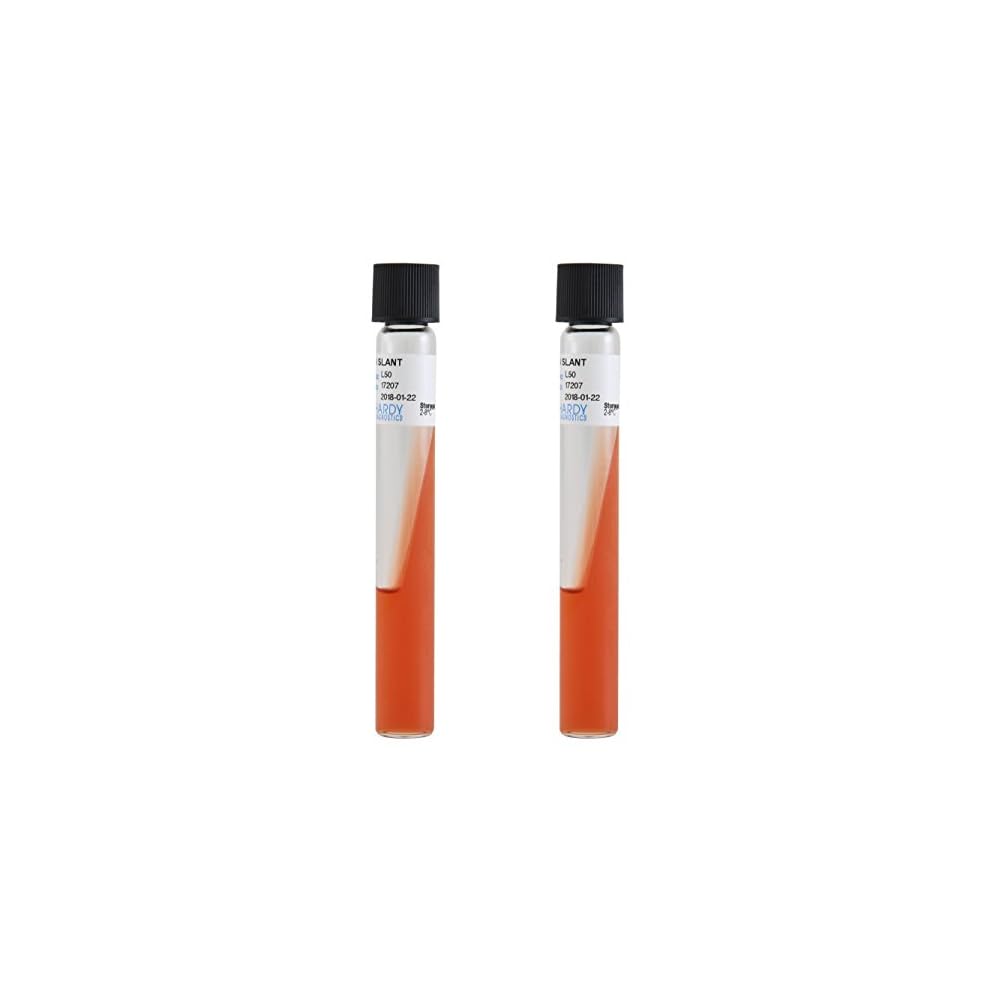

TSI slants are useful in the identification of Enterobacteria by their specific reactions on the slants.
v Principle:-
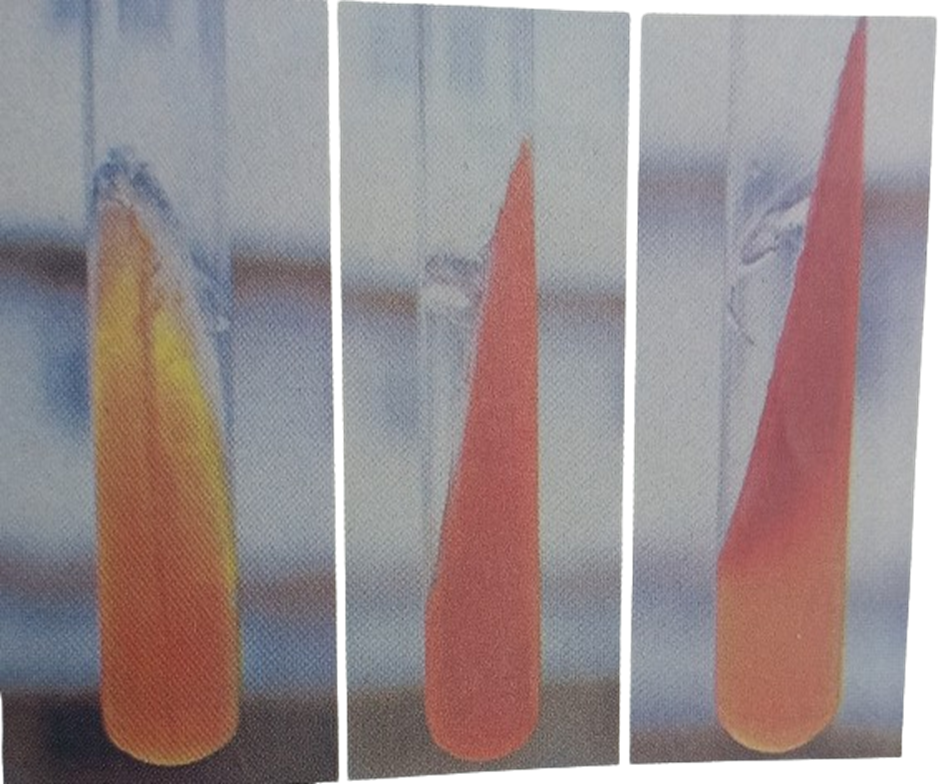
1. Alkaline reaction (red color) is shown by the organisms, who fail to
ferment any one of the sugars.
2. Fermentation of the sugars is indicated by yellow color since pH
range of phenol red is 6.8 to 8.4 and color change from yellow to red. Since
the glucose (dextrose) present on the surface of the medium is used up and
since the surface of the slant is exposed to atmosphere, under aerobic
conditions, the acid reaction on the surface reverts to alkaline (red color) in
18 to 24 hours. (which is a critical duration for this observation). In the
butt, since anaerobic condition exists, the color of the butt remains yellow.
3. Gas production (carbon dioxide) is indicated by splitting of the
agar
4. Production of hydrogen sulfide imparts black shade to the slant by
reacting with ferrous ions. It is an indication of H,S producing organisms.
v Procedure:-
1. Streak the TSI slant with a loop and stab with a straight needle.
2. Incubate at 37°C for 18-24 hours.
3. The various reactions obsrved on the slants are as follows.
v Quality control:-
1. Use the following microorganisms to confirm the reliability of TSI
slants.
2. Positive control: Acid slant
and butt with gas: E. coli.
3. Negative control: Alkaline
slant and acid butt and no gas: S. paratyphi A.